
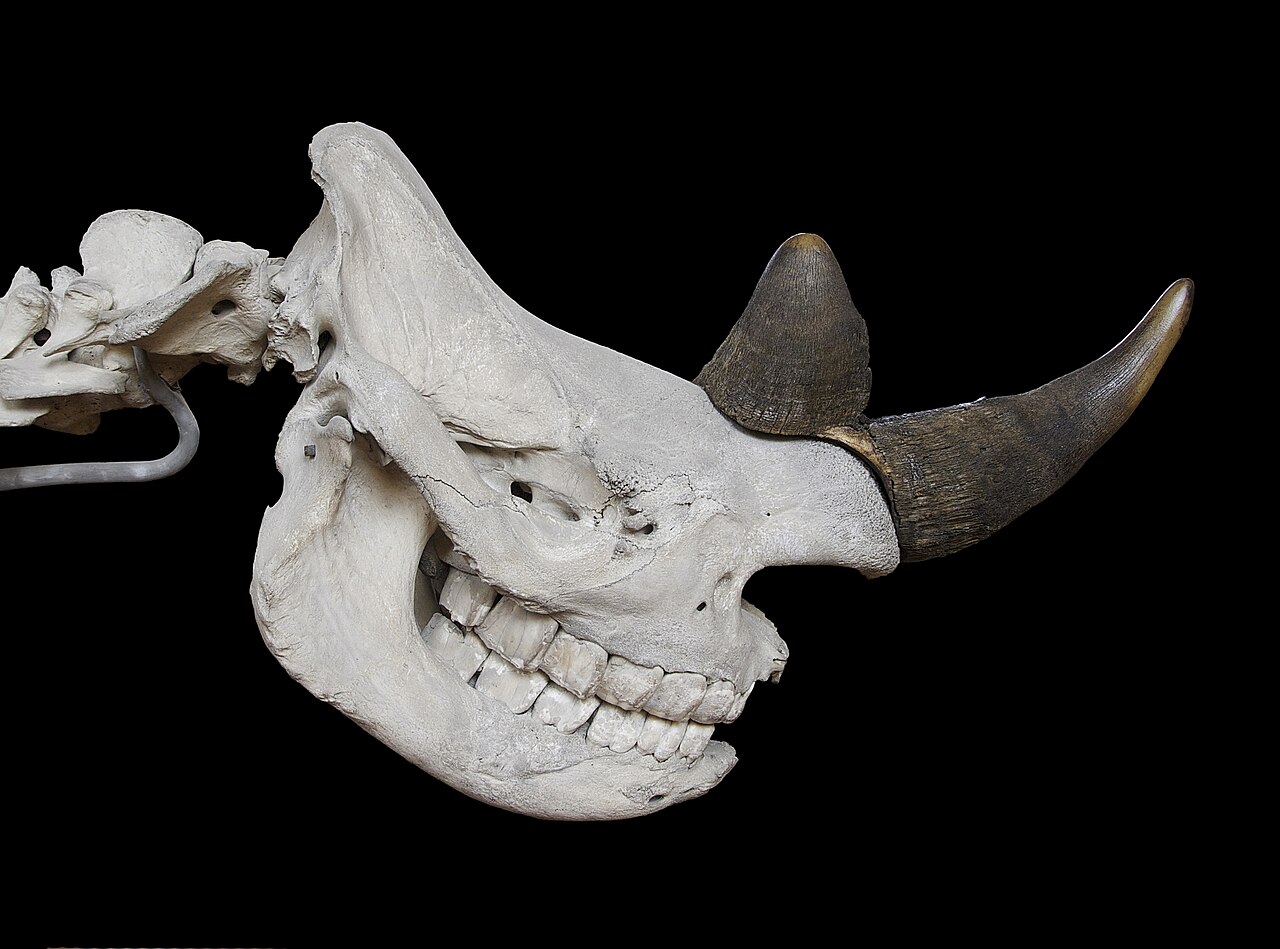
In modern times, many animal species have disappeared, almost always because of human activity: hunting, poaching, deforestation and the introduction of predatory species. The oldest case on this list is the dodo, extinct around 1681; the most recent is the western black rhinoceros, declared extinct in 2011. The ten animals below are listed in chronological order, with the date and main cause of each extinction.
1. Dodo (around 1681)
A large flightless bird, endemic to the island of Mauritius. It was wiped out in less than a century after sailors arrived along with the animals they introduced, such as rats and pigs. It is now the best-known example of human-caused extinction.
2. Steller’s sea cow (1768)
This giant sirenian, 8 to 9 metres long, lived in the cold waters of the North Pacific. It was hunted to the last individual just 27 years after it was first described by science. Its fat and meat were prized by seal and otter hunters.
3. Great auk (1844)
A flightless seabird of the North Atlantic, hunted for its meat, eggs and down. The last two known specimens were killed in Iceland in 1844. Despite its name, it was not related to the penguins of the southern hemisphere.
4. Quagga (1883)
The quagga was a subspecies of zebra from South Africa, striped only on the front of its body, with a plain, horse-like rear. The last individual died at Amsterdam zoo in 1883. The animal had been decimated by hunting for its hide and to protect grazing land for livestock.
5. Passenger pigeon (1914)
This North American bird went from several billion individuals to zero in a single century of industrial hunting. Martha, the last of her species, died at Cincinnati zoo in 1914. Few species so abundant have vanished so quickly.
6. Carolina parakeet (1918)
The only parrot endemic to the eastern United States. It disappeared through hunting, deforestation and capture for its colourful feathers. The last individual died at Cincinnati zoo in 1918, in the same cage that had held the passenger pigeon a few years earlier.
7. Thylacine or Tasmanian tiger (1936)
The thylacine was a carnivorous marsupial from Australia and Tasmania, recognisable by the dark stripes across its back. Benjamin, the last known individual, died at Hobart zoo in 1936, two months after the species had been officially protected. It had been exterminated by farmers who saw it as a threat to their flocks.
8. Pyrenean ibex (2000)
A Spanish subspecies of ibex whose last individual died in 2000. In 2003 a clone was born and lived a few minutes before dying of a lung defect: to this day it remains the only case of “de-extinction” of a species that resulted in a live birth.
9. Chinese river dolphin or baiji (2007)
The baiji was a freshwater dolphin of the Yangtze River in China. It was declared functionally extinct in 2007 after an expedition failed to find a single individual. It is the first extinction of a cetacean species attributed to human activity: river traffic, dams, fishing and pollution.
10. Western black rhinoceros (2011)
A subspecies of black rhinoceros from West Africa, declared extinct by the IUCN in 2011. It fell victim to poaching for its horn, highly sought after in traditional medicine. No individual had been seen in the wild since the early 2000s.
Extinct animals at a glance
| Animal | Extinction | Main cause |
|---|---|---|
| Dodo | around 1681 | Hunting and introduced species |
| Steller’s sea cow | 1768 | Hunting |
| Great auk | 1844 | Hunting |
| Quagga | 1883 | Hunting |
| Passenger pigeon | 1914 | Industrial hunting |
| Carolina parakeet | 1918 | Hunting and deforestation |
| Thylacine | 1936 | Extermination by farmers |
| Pyrenean ibex | 2000 | Hunting and habitat decline |
| Chinese river dolphin (baiji) | 2007 | River traffic and fishing |
| Western black rhinoceros | 2011 | Poaching |
Many other species are now classed among the endangered species, while some animals that are still alive remain little known, like these strange and little-known animals.
Frequently asked questions
Which animal went extinct most recently?
Among the large species on this list, the western black rhinoceros is the most recent: it was declared extinct by the IUCN in 2011. The Chinese river dolphin, or baiji, preceded it by only a few years, declared functionally extinct in 2007.
Can an extinct species be brought back?
“De-extinction” projects are underway, notably for the dodo and the thylacine, using ancient DNA and genetic engineering. None has led to a lasting success so far. The only clone ever born of an extinct species, a Pyrenean ibex, lived just a few minutes in 2003.
Why did the passenger pigeon disappear so fast?
The passenger pigeon nested and moved in huge colonies, which made it very easy to hunt in bulk. Industrial commercial hunting and the destruction of its forests reduced it from several billion individuals to extinction in about a century.
How many species go extinct each year?
Estimates are very wide, from a few hundred to several tens of thousands of species per year when invertebrates and undescribed organisms are included. Most scientists estimate that the current rate is far higher than the natural extinction rate.