The International Union for Conservation of Nature (IUCN) publishes an annual Red List that serves as the global reference. In 2025, more than 47,000 species appeared as threatened. Here are the 25 most emblematic cases, ranked from the most critical to the most monitored, with actual population numbers and main causes.
IUCN threat levels, for orientation
Before the list, a useful reminder. The IUCN classifies species into seven levels. From least to most critical: least concern, near threatened, vulnerable, endangered, critically endangered, extinct in the wild, extinct. When we talk about “endangered species,” we generally mean the three categories vulnerable, endangered and critically endangered.
Critically endangered: population under 1,000
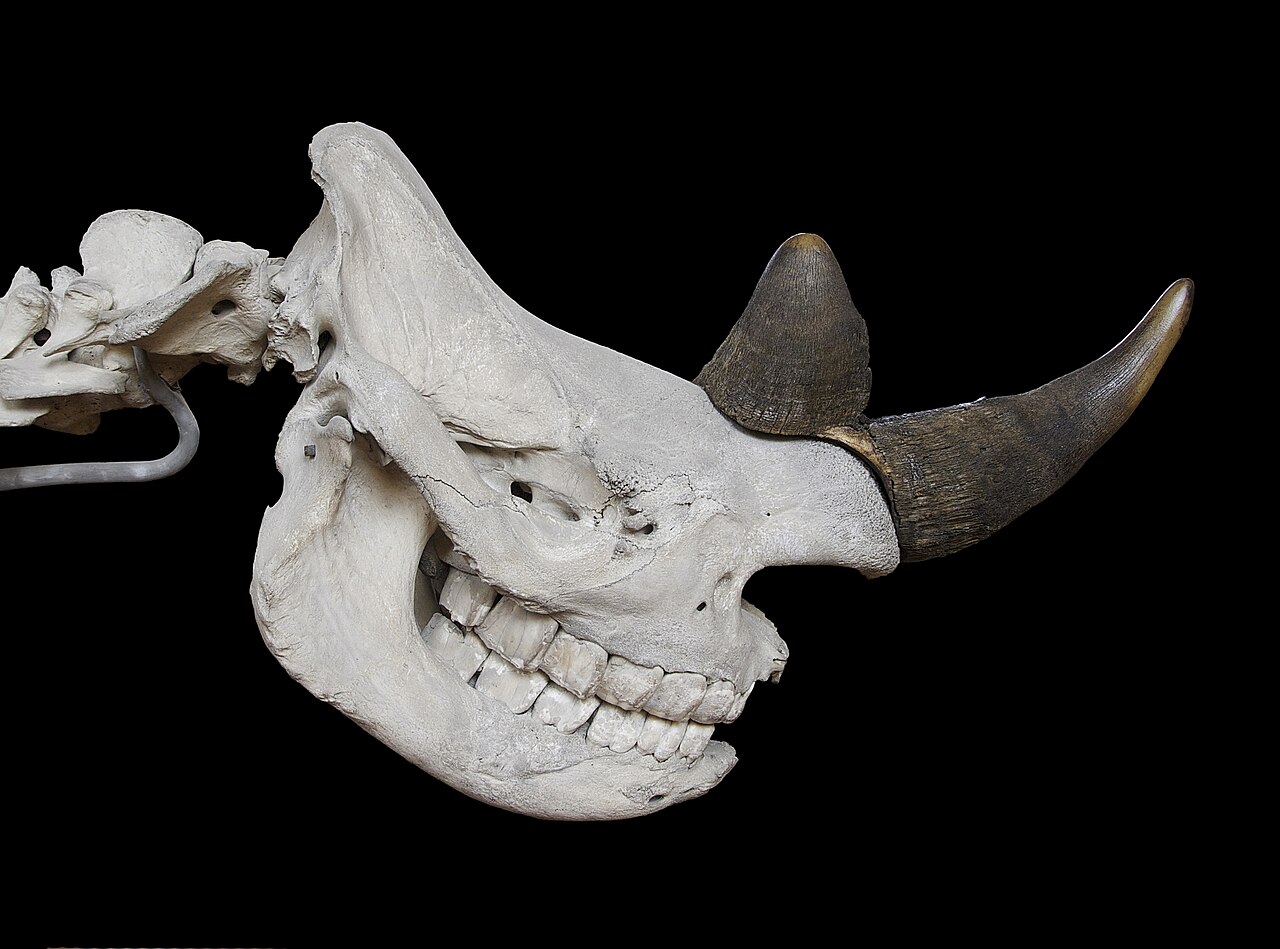
Javan rhinoceros: 76 individuals in 2024, all concentrated in Ujung Kulon park in Indonesia. Inbreeding has become a major problem. A single disease outbreak could wipe out the species.
Sumatran rhinoceros: fewer than 80 individuals. The smallest of the rhinos, last representative of a lineage going back 26 million years.
Vaquita (Pacific porpoise): 10 individuals in 2024. Marine species endemic to the Gulf of California, collateral victim of illegal totoaba fishing. Likely the first major marine extinction caused by humans since the Caribbean monk seal.
Cross River gorilla: 200 to 300 individuals in West Africa. A subspecies distinct from the eastern gorilla and the lowland gorilla.
Sumatran tiger: fewer than 400 individuals. The only tiger still present in Indonesia after the extinction of the Javan and Balinese tigers.
Chinese pangolin: 25,000 to 50,000 estimated. The most trafficked mammal in the world, mainly for its scales used in traditional Chinese medicine.
California condor: 561 individuals in 2024, including around 350 in the wild. A species saved at the last minute by a captive breeding program that started with 27 birds in 1987.
The world’s rarest amphibian, the Costa Rica harlequin frog: fewer than 100 known individuals.
Endangered: population between 1,000 and 10,000
Bengal tiger: around 3,700 individuals, mostly in India. The most stable tiger population in the world thanks to Indian reserves.
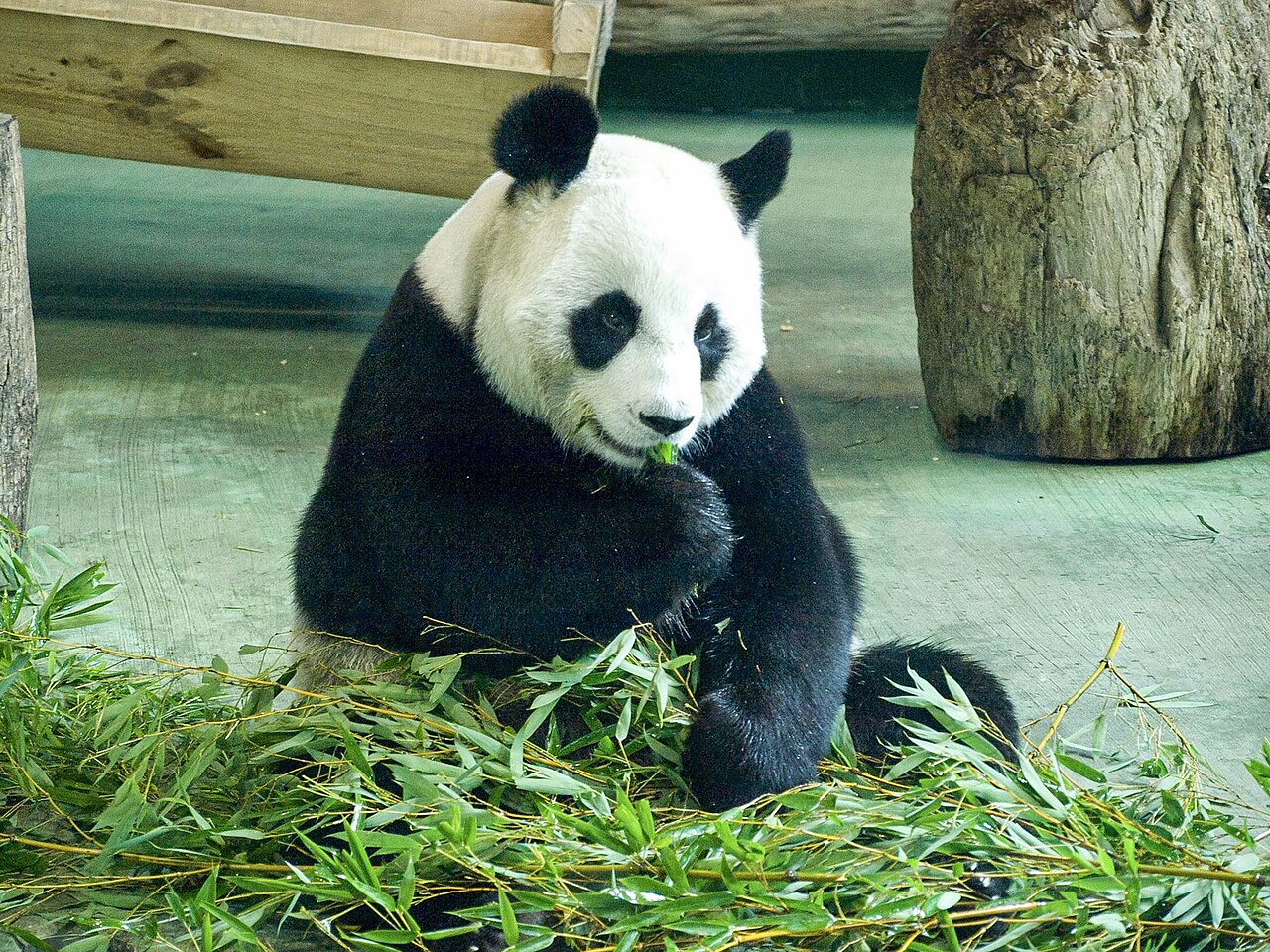
Giant panda: 1,800 individuals in the wild, 600 in captivity. Officially reclassified from “endangered” to “vulnerable” in 2016, but the situation remains fragile.
Asian elephant: 40,000 to 50,000 individuals, against 100,000 a century ago. Fragmented habitat, conflicts with humans.
Mountain gorilla: 1,063 individuals in 2024, spread across Rwanda, Uganda and DRC. A rare case of a slowly increasing population.
Bornean orangutan: about 100,000 individuals, down 50% over 60 years. Deforestation for palm oil remains the number one cause.
Sumatran orangutan: 14,000 individuals.
Tapanuli orangutan: 800 individuals. Species described only in 2017, the rarest of the great apes.
Black rhino: 6,500 individuals, recovering after falling to 2,400 in 1995.
Cheetah: 7,100 individuals, against 100,000 a century ago. The African sprinter mostly suffers from habitat loss. To tell it apart from the leopard, see our guide to 50 animal species.
Polar bear: 22,000 to 31,000 individuals. Stable population for now but threatened long-term by melting sea ice.
Vulnerable: species under watch
African lion: 20,000 to 25,000 individuals, down 43% over 21 years. West Africa has lost over 90% of its lion population.
Hippopotamus: 115,000 to 130,000 individuals. Mainly vulnerable to hunting for their teeth.
Whale shark: unknown population but in marked decline. The largest fish in the world.
Giraffe: 117,000 individuals, down 40% over 30 years. Of the nine subspecies, some are critically endangered.
Great white shark: unknown population, considered vulnerable. Probably between 3,000 and 5,000 breeding adults.
Emperor penguin: 256,000 pairs in 2022. The rapid melting of sea ice could drive the species near extinction by 2100 according to climate models.
Recently extinct species
To give weight to this list, a few officially confirmed recent extinctions.
The Northern white rhino: extinct in the wild since 2018. Two females remain in captivity in Kenya, watched 24/7 by armed guards. Reproduction by IVF is being attempted with frozen cells.
The West African black rhino: declared extinct in 2011.
The Yangtze river dolphin (baiji): declared functionally extinct in 2007.
The Pyrenean ibex: extinct in 2000.
The dodo: extinct since 1681, but a major teaching case.
The real causes (in order of importance)
A common assumption says poaching is the number one cause. Wrong. Here is the actual order set out by IPBES and IUCN reports.
1. Habitat destruction. Deforestation, urbanization, intensive agriculture. The number one cause for 80% of threatened species. Palm oil alone has destroyed 20 million hectares of tropical forest.
2. Climate change. Warming, ocean acidification, melting ice. First cause for polar and marine species.
3. Invasive species. Introduced species that outcompete local ones. The bullfrog in Europe, the brown tree snake in Guam, the cane toad in Australia.
4. Pollution. Plastics, pesticides, pharmaceuticals. Mostly affects aquatic species.
5. Poaching. Important for some emblematic species (rhinos, elephants, pangolins) but underlying the first four causes in overall volume.
What works
Ecology is not just a story of collapse. A few successes.
The California condor, the American bison (recovered from 750 to 30,000 individuals), the mountain gorilla, the northern bald ibis, the Arabian oryx (reintroduced to the wild after being extinct in the wild) show that conservation can reverse the trajectory. But each case takes decades of coordinated effort and massive resources.
For more on nature, see also our article on strange and lesser-known animals and the one on the most dangerous animals in the world. And for the species we failed to save: the recently extinct animals. SAPIRO lets you test knowledge on 600 species, with an explanation behind every question.