
Sometimes an outline alone is enough to name a country. But between a Mayan pyramid and an Egyptian one, or between two sand-coloured temples, plenty of people hesitate. The quiz below runs from very easy to genuinely tough: tally your score honestly before you check the answers.
Test your knowledge: 10 questions
-
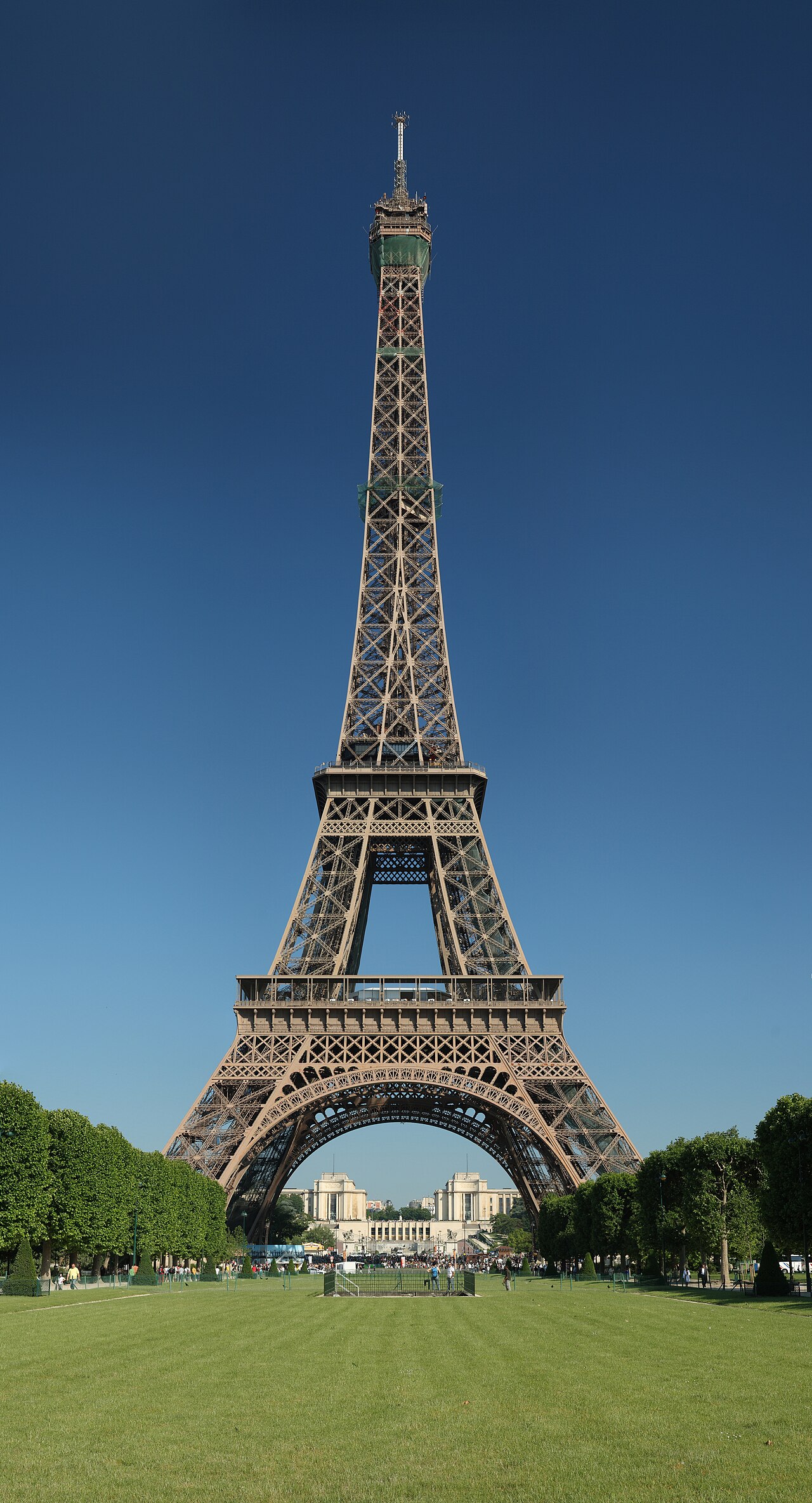
In which city is the Eiffel Tower? a) Lyon — b) Paris — c) Marseille
-
The Colosseum is an ancient monument located in… a) Greece — b) Italy — c) Spain
-
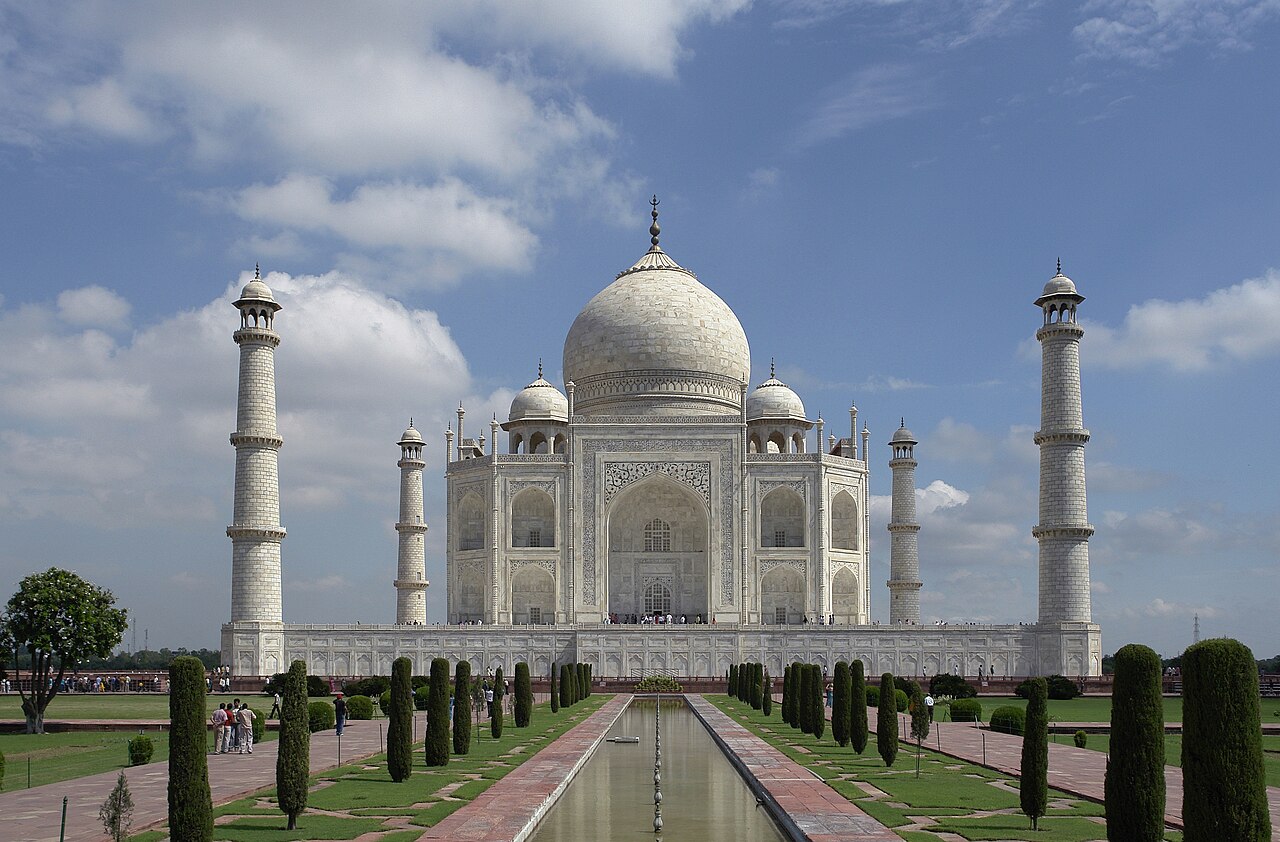
In which country was the Taj Mahal built? a) Iran — b) Pakistan — c) India
-
Which country gave the Statue of Liberty to the United States? a) France — b) The United Kingdom — c) Spain
-
On which continent does Machu Picchu stand? a) Asia — b) South America — c) Africa
-
The Sagrada Família, still unfinished, is the work of which architect? a) Le Corbusier — b) Antoni Gaudí — c) Gustave Eiffel
-
The ancient city carved into the rose-red rock of Petra lies in which country? a) Egypt — b) Jordan — c) Morocco
-
Angkor Wat, the largest religious monument in the world, is located in… a) Cambodia — b) Thailand — c) Vietnam
-
Which city does Christ the Redeemer overlook? a) Buenos Aires — b) Lima — c) Rio de Janeiro
-
The mosque-cathedral famous for its red-and-white arches is in which Spanish city? a) Seville — b) Córdoba — c) Granada
Answers
- b) Paris. The 330-metre iron tower was raised for the 1889 World’s Fair.
- b) Italy. This Roman amphitheatre could hold roughly 50,000 spectators.
- c) India. The white marble mausoleum was commissioned by Mughal emperor Shah Jahan, in Agra, around 1632–1653.
- a) France. Unveiled in 1886, it was designed by the sculptor Bartholdi, with an internal structure by Gustave Eiffel.
- b) South America. The Inca city sits in Peru, perched at nearly 2,430 metres.
- b) Antoni Gaudí. The Barcelona basilica has been under construction since 1882.
- b) Jordan. Petra, the former Nabataean capital, is cut into sandstone.
- a) Cambodia. Angkor Wat dates from the 12th century and appears on the national flag.
- c) Rio de Janeiro. The 30-metre statue has overlooked the city since 1931, atop Corcovado.
- b) Córdoba. The Mezquita blends Islamic and Christian architecture, a legacy of al-Andalus.
Score 8 to 10 and your level is strong. Below 5, there’s room to revise, and what follows will help.
How to recognise a monument
When you land on an unlabelled photo, three clues do the work.
Architecture first. Columns and a triangular pediment point to Greco-Roman antiquity (the Parthenon, the Pantheon). An onion dome suggests Russia or the Orthodox world. A structure built entirely of exposed iron betrays the industrial 19th century. Slender spires and stained glass signal European Gothic.
Materials next. White marble points to the Taj Mahal or certain ancient temples. Rose sandstone is Petra’s signature. The pale limestone of the Giza pyramids has nothing to do with the dark volcanic stone of Easter Island. The colour of the stone often gives away its region.
Geography settles the close calls. A temple swallowed by dense jungle leans towards Southeast Asia (Angkor) rather than Central America. A terraced city high in the mountains points to the Andes. Cross-reading these three layers eliminates most wrong answers, even for a monument you’ve never seen. For more, our guide to the world’s famous monuments details thirty of them, sorted by continent.
How to revise monuments effectively
Random revision goes nowhere. A three-step method works far better.
Go continent by continent. Rather than swallowing a global list in one gulp, tackle Europe, then Asia, then the Americas, and so on. Your brain holds on to what is sorted. You can follow the same logic with the seven wonders of the world, a solid first set of landmarks to anchor.
Build short flashcards. For each monument: name, place, rough period, one memorable detail. The detail is the key to recall. “Largest religious monument in the world” sticks to Angkor Wat far better than an overloaded card.
Test yourself often. Passive rereading creates the illusion of knowing; testing reveals the real gaps. This is where a quiz app earns its place. SAPIRO offers general-knowledge quizzes, including a category devoted to monuments, with an explanation after each answer, handy for understanding a mistake instead of just suffering it. A few minutes a day anchors the landmarks better than one long cram session before an exam. If you’re aiming for a test, our selection of monuments for exams targets the most frequently asked sites. And to explore the whole topic, it all starts on our monuments page.
Frequently asked questions
How do you recognise a monument you’ve never seen?
Start with the architectural style (ancient columns, domes, exposed iron), then look at the materials (white marble, red sandstone, limestone), and finally the geography. A white marble dome surrounded by Mughal gardens, for instance, points straight to the Taj Mahal in India.
Which monument is hardest to recognise in a quiz?
Ancient sites are easily confused: Petra, Palmyra and the temples of Angkor share a family resemblance for anyone who hasn’t revised. Giant statues and city squares are tricky too, because they give fewer clues than a one-of-a-kind outline like the Eiffel Tower.
How many monuments should you know for solid general knowledge?
Around thirty monuments spread across the five continents covers most quiz and exam questions. The trick is to remember, for each one, the country, the rough period and one striking detail.
What’s the most effective way to revise monuments?
The strongest method is to work continent by continent, build short flashcards (name, place, date, detail) and test yourself regularly instead of rereading. A quiz app like SAPIRO automates that repetition and adds an explanation after every answer.