
We talk about the “seven wonders of the world” as if it were one fixed list, but there are actually several, separated by more than two thousand years. The first dates back to ancient Greece; the most recent was decided in 2007. Here is how to tell them apart.
The seven wonders of the ancient world
The classic list comes from Greek travellers and scholars who catalogued the most impressive structures of the Mediterranean world. The original Greek word, theamata, meant something closer to “things worth seeing”, a kind of guidebook before guidebooks existed. The version that stuck names seven sites.
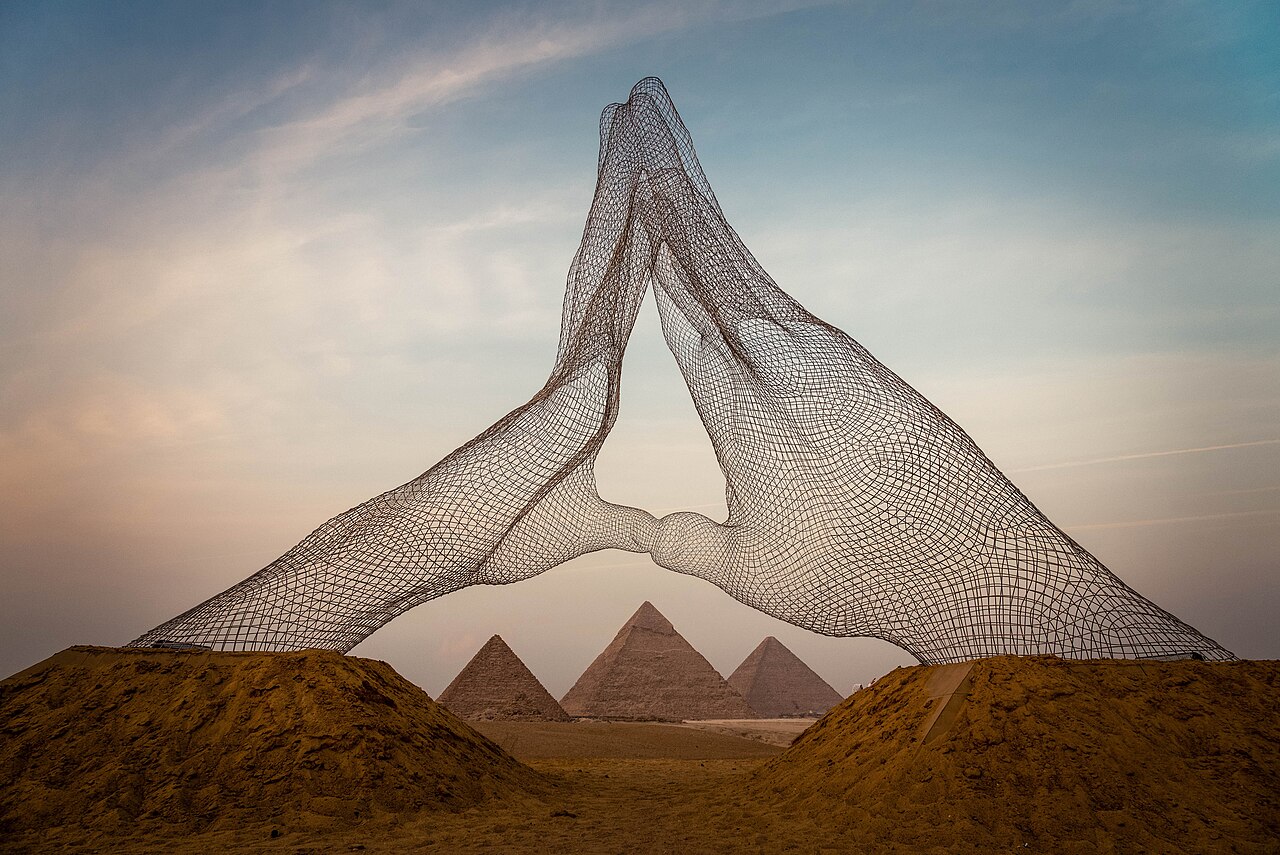
- The Great Pyramid of Giza, in Egypt. Built around 2560 BC, it rose to nearly 147 metres and remained the tallest human-made structure for almost four thousand years.
- The Hanging Gardens of Babylon, in Mesopotamia, a system of planted terraces. No firm archaeological trace has ever been found, and some historians doubt they existed at all.
- The Statue of Zeus at Olympia, made by the sculptor Phidias around 435 BC, roughly 12 metres tall, in gold and ivory.
- The Temple of Artemis at Ephesus, in Asia Minor, a vast sanctuary burned down and rebuilt more than once.
- The Mausoleum at Halicarnassus, the tomb of the satrap Mausolus, whose name gave us the word “mausoleum”.
- The Colossus of Rhodes, a bronze statue of the sun god Helios about 30 metres tall, toppled by an earthquake barely fifty years after it was finished.
- The Lighthouse of Alexandria, on the island of Pharos, one of the tallest buildings of antiquity, which guided ships into the Egyptian harbour.
The key fact: only the Great Pyramid of Giza survives. It is also the oldest of the seven, which is its own quiet irony. The other six are gone, lost to earthquakes, fire, or the gradual stripping of their stone over the centuries. Divers have recovered blocks of the Lighthouse of Alexandria from the seabed; of the Temple of Artemis, only a single reassembled column stands.
The seven new wonders of the world
Faced with an ancient list of which almost nothing remains, a private initiative set out to propose a modern version. The New7Wonders Foundation, created by Swiss filmmaker and adventurer Bernard Weber, launched a global vote in the late 2000s. The result was unveiled on 7 July 2007 in Lisbon, after more than a hundred million votes by internet and phone.
The seven winners:
- The Great Wall of China, a set of fortifications built over several centuries to protect the empire from incursions from the north.
- Petra, in Jordan, a Nabataean city carved into rose-coloured rock, whose famous “Treasury” facade is recognised worldwide.
- Christ the Redeemer in Rio de Janeiro, a statue nearly 30 metres tall, unveiled in 1931 on the summit of Corcovado.
- Machu Picchu, an Inca city perched in the Peruvian Andes, brought to wide attention by the explorer Hiram Bingham in 1911.
- Chichen Itza, a Maya site in the Yucatan, Mexico, dominated by the pyramid of Kukulcan.
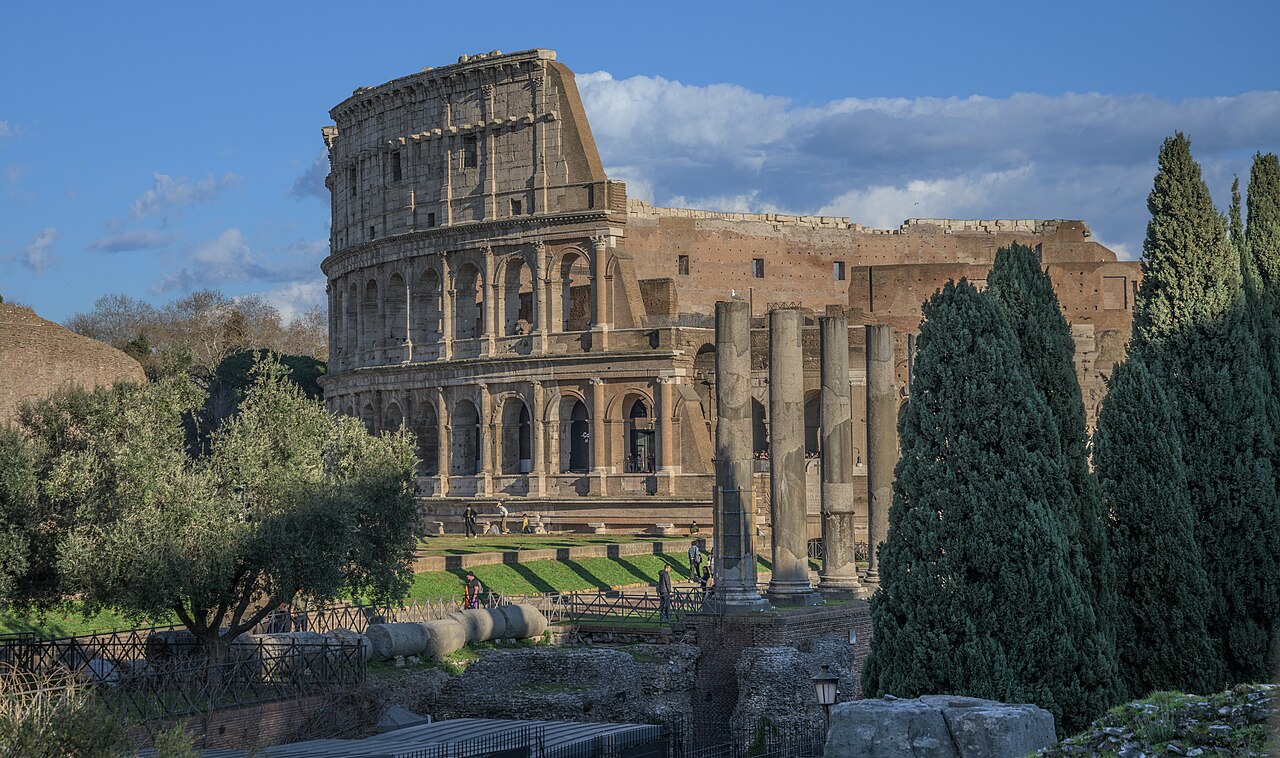
- The Colosseum in Rome, the largest amphitheatre of the Roman Empire, able to hold tens of thousands of spectators.
- The Taj Mahal, in Agra, India, a white marble mausoleum built in the seventeenth century by the Mughal emperor Shah Jahan for his wife.
One point is worth stressing: this ranking is in no way official. UNESCO made a point of distancing itself from it, noting that its own World Heritage list rests on scientific criteria and nominations by member states, not on a popular vote. The Great Pyramid of Giza, the lone survivor of the ancient list, was added as an honorary member so that no voting campaign could be seen to compete with the only genuine relic of antiquity.
Other lists of wonders
The same foundation later ran a vote for the seven natural wonders of the world, announced in 2011. Among them: the Amazon rainforest, Ha Long Bay in Vietnam, the Iguazu Falls, Jeju Island, Komodo National Park, the Puerto Princesa Underground River, and Table Mountain in South Africa.
Other rankings have circulated for a long time. People sometimes mention the wonders of the medieval world, a late and rather fanciful list that includes the Great Wall, Stonehenge, and the Leaning Tower of Pisa. Engineers, for their part, like to point to the wonders of modern engineering: the Panama Canal, the Channel Tunnel, the Hoover Dam. None of these lists carries any authority, but they all say the same thing: every age picks the monuments that fascinate it.
If you want to remember all this without cramming, the SAPIRO app has quizzes on the monuments of the world that turn these seven-plus-seven names into instinct. To dig deeper, read our overview of ancient monuments and our pick of 30 famous monuments. And to test yourself, nothing beats a good monuments quiz. It all lives in our monuments section.
Frequently asked questions
How many of the ancient wonders are still standing?
Only one. The Great Pyramid of Giza is the oldest of the seven and the only one still visible today. The other six were destroyed by earthquakes, fires, or the wear of time, and some (like the Hanging Gardens of Babylon) are known only from ancient written accounts.
Who chose the seven new wonders of the world?
The general public did. The New7Wonders Foundation, launched by Swiss filmmaker Bernard Weber, ran a global vote whose results were announced on 7 July 2007. More than a hundred million votes were cast by internet and phone. The campaign had no official status, and UNESCO explicitly distanced itself from it.
Which is the oldest of the seven ancient wonders?
The Great Pyramid of Giza, built around 2560 BC. It is by far the oldest on the list, predating later wonders such as the Colossus of Rhodes and the Lighthouse of Alexandria (both built in the Hellenistic period) by more than two thousand years.
Are the Sphinx or the Eiffel Tower among the wonders of the world?
No, neither one. The Great Sphinx of Giza, though it stands right next to the pyramids, was never counted among the seven ancient wonders, and the Eiffel Tower was not chosen in the 2007 vote. Other rankings do exist, though, such as the natural wonders, which feature a very different set of sites.