
The United Kingdom packs four nations and several thousand years of building into one island, from a Neolithic stone circle to a Victorian clock tower. Here are the monuments worth knowing, grouped by region, with what sets each apart and the mix-ups worth avoiding.
London
The capital holds the country’s most recognisable outlines, the ones that turn up on postcards and in textbooks.
-
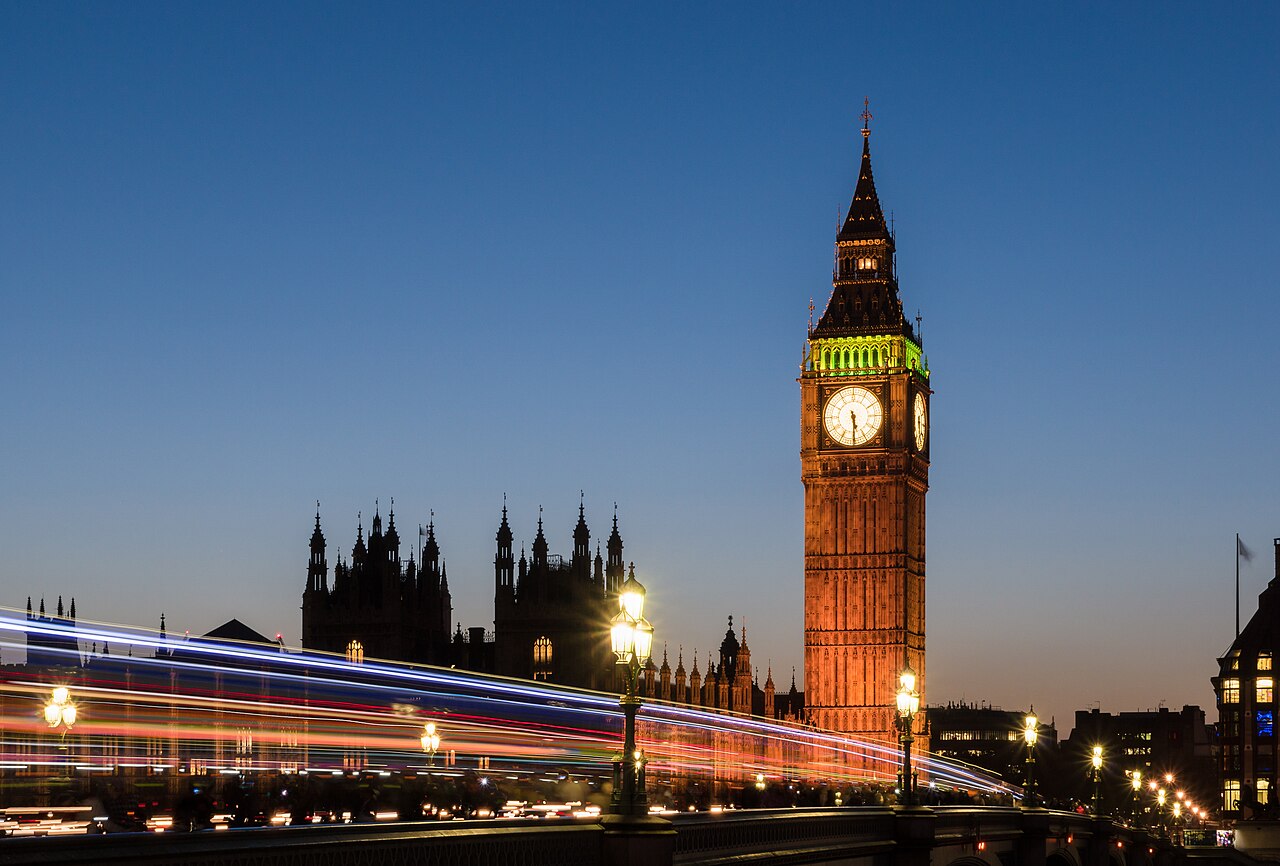
Big Ben and the Palace of Westminster — London — the tower rising over the Thames houses the famous bell; the palace beside it is home to both houses of the British Parliament. The present Gothic Revival complex was rebuilt after the fire of 1834.
-
Tower Bridge and the Tower of London — London — two separate monuments people often confuse. Tower Bridge is a bascule bridge opened in 1894, instantly known by its two Victorian towers. The nearby Tower of London is a fortress founded by William the Conqueror shortly after 1066; it has served as palace and prison and now holds the Crown Jewels.
-
Buckingham Palace — London — the official London residence of the British monarch since 1837. The Changing of the Guard at its gates remains one of the city’s most-watched sights. Part of the State Rooms opens to the public in summer.
-
St Paul’s Cathedral — London — Christopher Wren’s masterpiece, completed in 1711 after the Great Fire of 1666. Its vast dome long dominated the London skyline and survived the Blitz of 1940, which turned it into a symbol of resilience.
-
The London Eye — London — an observation wheel opened for the year 2000 on the South Bank of the Thames. At 135 metres, it was for a time the tallest in Europe and offers a clear view across the historic centre.
Ancient and prehistoric sites
Away from the cities, British soil keeps the traces of civilisations that predate the monarchy by a wide margin.
-
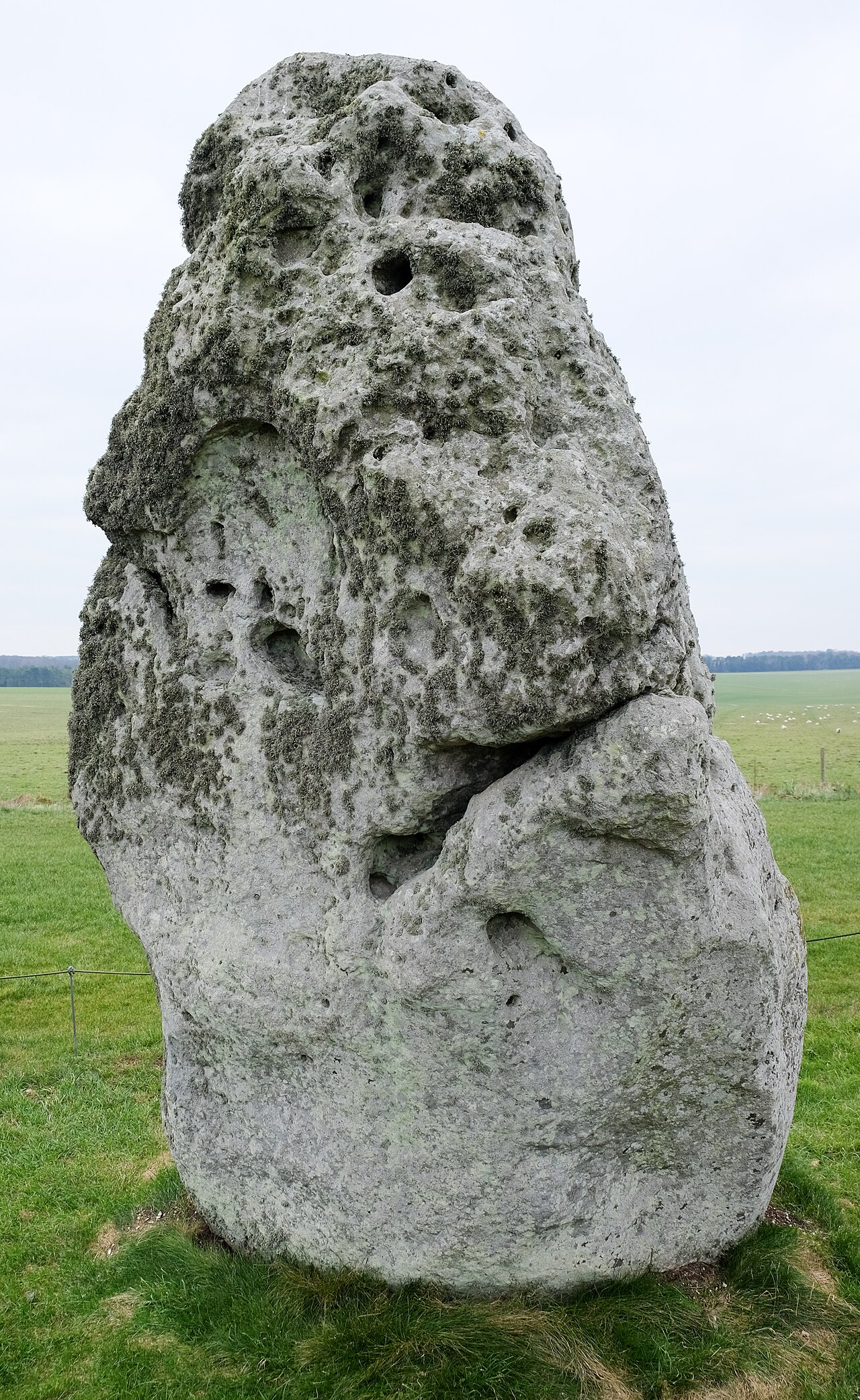
Stonehenge — Salisbury Plain, England — a circle of standing stones raised in stages between roughly 3000 and 2000 BC. Its exact purpose is still debated: observatory, place of worship, solar calendar. The way the stones align with the sunrise at the summer solstice still draws crowds.
-
Hadrian’s Wall — northern England — a Roman fortification ordered by the emperor Hadrian around AD 122 to mark the northern edge of the Empire. It ran for nearly 117 kilometres from coast to coast. Long sections survive, dotted with the remains of forts.
Beyond England
The UK is not only London, and not only England. Scotland and Wales hold their own fortified heritage.
-
Edinburgh Castle — Scotland — perched on a volcanic crag above the Scottish capital. Occupied since the Iron Age, it has endured countless sieges and holds the Honours of Scotland, the Scottish Crown Jewels. Every day at one o’clock, a gun is fired from its ramparts.
-
The castles of Wales — Wales — the country has one of the highest densities of castles in Europe. Those of Edward I, such as Caernarfon, Conwy and Harlech, built in the late 13th century to cement the English conquest, are listed as a UNESCO World Heritage Site.
Points worth clearing up
A few things that regularly cause confusion.
Big Ben is not the tower. Strictly speaking, Big Ben is only the great bell, the one that strikes the hours. The tower that houses it has been the Elizabeth Tower since 2012; before that, it was simply the Clock Tower. The four-faced clock itself is one of the most accurate in the world.
The Tower of London and Tower Bridge are two different things. The first is a medieval fortress, the second a 19th-century bridge. Their being so close together keeps the confusion alive.
The United Kingdom is not the same as England. It brings together England, Scotland, Wales and Northern Ireland. Edinburgh Castle is Scottish, Caernarfon is Welsh: filing them under “English” is a common mistake.
To lock all this in, the SAPIRO app offers general-knowledge quizzes that drill monuments without dry revision. To go further, browse our 30 famous monuments of the world, our pick of monuments in France and our tour of famous castles and palaces. Everything sits in the monuments section.
Frequently asked questions
Is Big Ben the tower or the bell?
Big Ben originally refers to the great bell housed at the top of the tower, the one that strikes the hours. People often call the tower itself “Big Ben”, but its real name has been the Elizabeth Tower since 2012, marking Queen Elizabeth II’s Diamond Jubilee. Before that, it was simply known as the Clock Tower.
What is the oldest monument in the United Kingdom?
Among the famous sites, Stonehenge is one of the oldest: it was built in stages between roughly 3000 and 2000 BC, spanning the Neolithic and the Bronze Age. Other prehistoric British structures, such as certain burial mounds, are older still, but Stonehenge remains the country’s best-known ancient monument.
Can you go inside the Elizabeth Tower?
Yes, guided tours of the Elizabeth Tower do exist, but they are limited and the climb is on foot up a staircase of more than 300 steps. There is no public lift. Tickets are booked in advance and demand far exceeds supply.
Is Edinburgh Castle in England?
No. Edinburgh Castle is in Scotland, one of the four nations that make up the United Kingdom, alongside England, Wales and Northern Ireland. Edinburgh is Scotland’s capital, and the castle sits on top of an extinct volcano overlooking the city.