
Teaching a child to identify animals does not require being an ornithologist. It is a skill that builds through outings, reading and quizzes. Here is how.
Where to start
Three categories cover the essentials for a child.
Everyday animals. Dog, cat, chicken, cow, horse, sheep, pig. At 3-5 years, recognize and name them.
Local wildlife. Pigeon, sparrow, robin, squirrel, hedgehog, butterfly, bee, ant. At 5-8 years, identify 20 to 30 of them.
Exotic animals. Lion, elephant, panda, kangaroo, penguin. At 5-8 years, know 30 to 50. See our article on 50 animal species worth knowing.
Outings that work
The city park. Pigeons, sparrows, ducks, sometimes squirrels. First observation school. Learning to be still in order to see.
Pond edge. Herons, ducks, swans, dragonflies, frogs. Rich biodiversity.
Forest. Harder place because animals are discreet. Spot tracks, burrows, prints rather than the animals themselves.
Petting farm. For younger kids. Touching and feeding animals anchors learning.
Zoo and aquarium. For exotic animals. Ideally with a specific mission (find the 5 cats, identify 10 birds).
Tools
Observation notebook. One page per animal. Drawing, place, date. A passionate activity that develops the eye.
Kid binoculars. From age 6. No pro gear needed, 8x21 binoculars at 30 euros are enough.
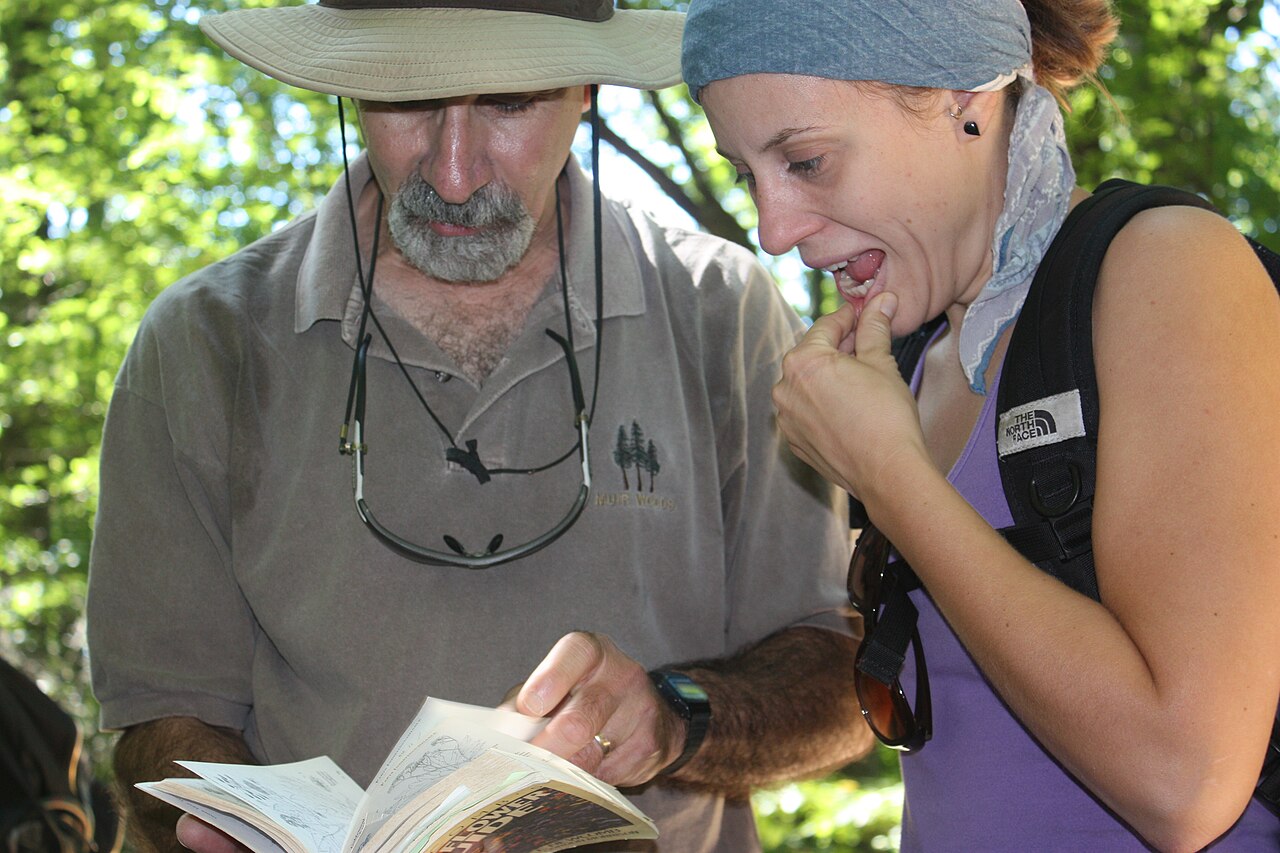
Identification guides. Standard field guides or kid-friendly versions.
Apps. Merlin Bird ID for bird songs. PlantNet for plants. iNaturalist for everything. SAPIRO to practice 600 animal species with quizzes.
Method by age
3-5 years. Animals by broad categories (farm, savanna, sea, jungle). 20 names are enough.
6-8 years. Animals by continent. 50 species to know. Easy pairs to distinguish (alligator vs crocodile, lion vs tiger).
9-11 years. Scientific classifications (mammal, bird, reptile, amphibian, fish, insect). 100 species. See our article on animals that look alike.
12 and up. Ecology notions, biodiversity, endangered species. See our article on endangered species.
Pitfalls to avoid
Anthropomorphism. Saying the lion is “mean” or the panda is “nice” gives a wrong picture. Animals survive, they are neither good nor bad.
Simplistic hierarchies. The lion is not “king of the animals.” Each species has its niche.
Underestimating the child. A 7-year-old can easily learn 50 species. Do not limit to “cute” animals.
Worth reading: nature quiz for kids.