Recognizing animals seems easy until you find two spotted cats side by side. Which one is the cheetah? Which is the leopard? And what about the jaguar? Our planet hosts around 8 million species, with 1.5 million already described. Nobody knows them all. But fifty or so, yes, that becomes useful when traveling, watching a documentary, or just understanding what you are looking at.
The big mammals everyone mixes up
The trio that trips up most people: cheetah, leopard, jaguar.
The cheetah is slender, almost lean, with a small round head and black “tear lines” running down from the eyes. Its coat shows solid round spots, never rosettes. It lives in Africa and a small pocket of Iran. It is the sprinter of the animal kingdom, hitting 110 km/h over a maximum of 400 meters.
The leopard is stockier, more muscular, with black rosettes shaped like open flowers around a tawny center. It is found in Africa and Asia. It climbs trees, something cheetahs almost never do. If you see a spotted cat in a tree, 99% chance it is a leopard.
The jaguar lives in South America, mainly in the Amazon basin. Its rosettes are larger, with small black dots inside. It is more massive than the leopard, nearly twice the weight. Its jaw is the strongest of any cat, able to pierce a turtle shell.
Another tricky pair: llamas and alpacas. The llama is taller, with long ears curved like bananas. The alpaca is smaller, with a round head and short straight teddy-bear ears. Alpaca wool is also much finer, which is why they are bred for fleece.
Birds worth knowing
There are nearly 11,000 bird species. A few stand out.
The Andean condor has a wingspan of over 3 meters, making it one of the largest flying birds on Earth. Its bald pink head is instantly recognizable. It almost never kills, it is a scavenger.
The toco toucan is the iconic image of the tropical forest, with its huge orange beak reaching up to 20 centimeters. The beak serves heat regulation as much as feeding.
The emperor penguin is the largest penguin, 1.20 meters standing. It only lives in Antarctica. Do not confuse it with puffins or auks, which live in the Northern Hemisphere.
The flamingo gets its pink color from pigments in the crustaceans it eats. Without that diet, it stays white, which actually happens in captivity when keepers do not supplement properly.
Iconic reptiles
You find them on every continent except Antarctica.
Crocodile and alligator differ by snout shape and teeth. The crocodile has a narrow pointed V-shaped snout. The alligator has a wide rounded U-shape. When an alligator closes its jaw, no bottom teeth show. With a crocodile, the fourth lower tooth always sticks out. Alligators are mostly American, crocodiles range across Africa, Asia, Australia and the Americas.
Chameleons do not change color to camouflage as commonly believed. They mostly do it to communicate mood and regulate temperature. Their projectile tongue can stretch up to twice their body length.
The Komodo dragon, world’s largest lizard, lives only on a few Indonesian islands. Three meters, 70 kilos, with saliva loaded with bacteria that eventually kills its prey through septicemia.
Marine animals we learn too late
The marine kingdom is underrepresented in our minds because we see it less. A few fundamentals.
Whales and sperm whales are both cetaceans but very different. The blue whale, largest animal on the planet, can reach 30 meters and 170 tons. It filters plankton through baleen plates. The sperm whale has teeth, reaches 18 meters maximum, and dives down to 2,000 meters hunting giant squid. Its huge square head makes it recognizable from a distance.
Dolphins and porpoises look like cousins. The dolphin has a long beak-like snout and conical teeth. The porpoise has a rounder head with no defined snout, and spade-shaped teeth. Porpoises are also smaller and far more discreet.
The great white shark remains the archetype of the marine predator, up to 6 meters. But 95% of shark species are harmless to humans, including the whale shark, largest fish in the world, which eats only plankton.
Emblematic species by continent
Learning by continent is often more effective than by taxonomy.
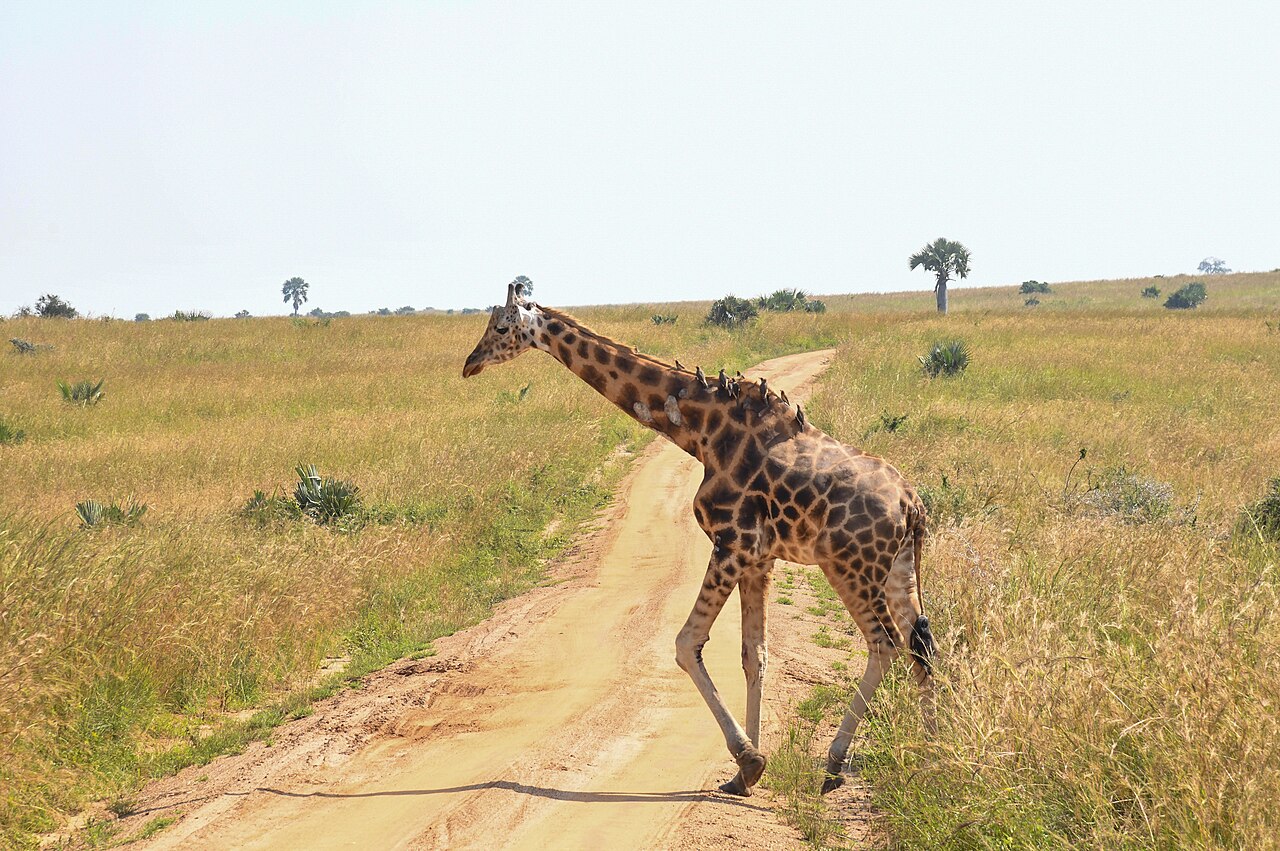
Africa: savanna elephant, giraffe, lion, wildebeest, zebra, meerkat, mountain gorilla, oryx, fennec fox, hippo.
South America: jaguar, sloth, capybara (the world’s largest rodent at 60 kilos), armadillo, macaw, anaconda, llama, condor.
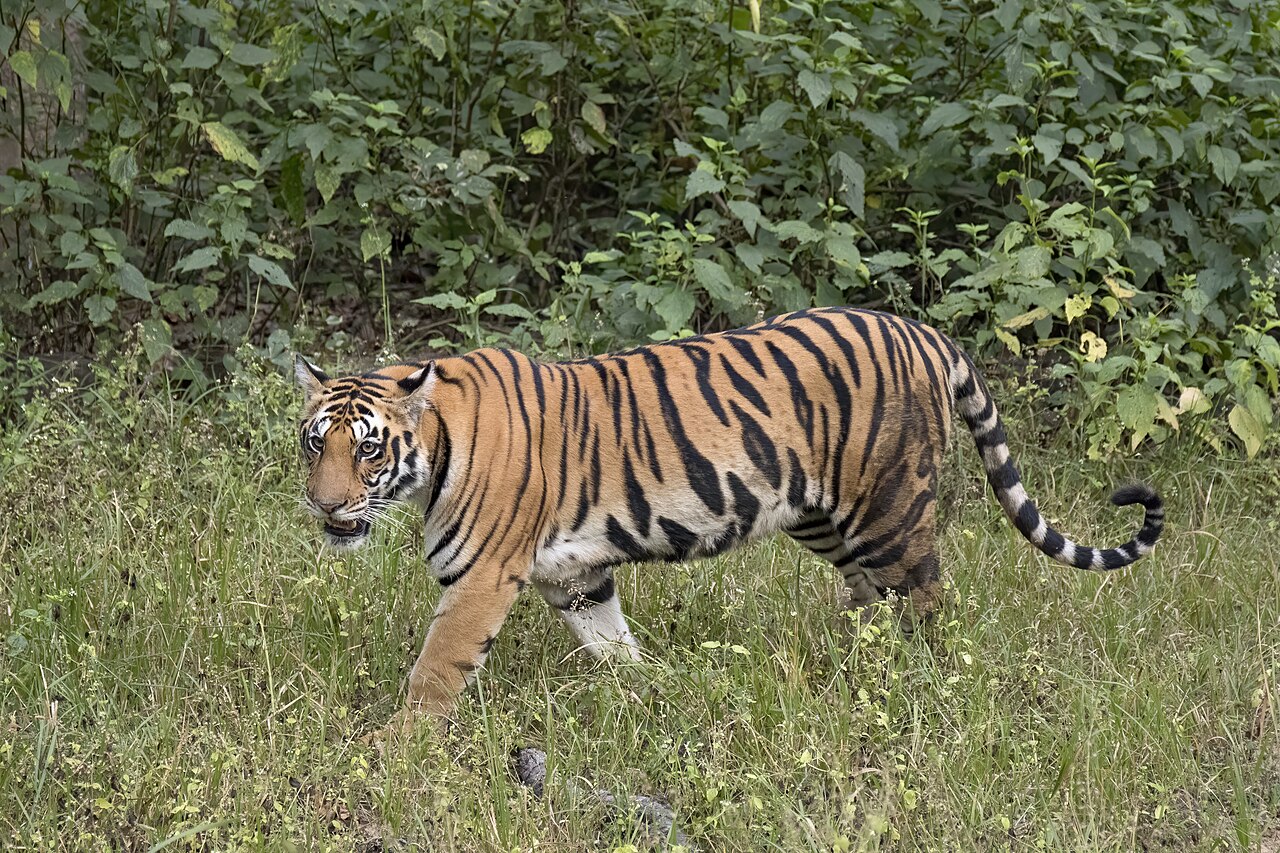
Asia: giant panda, Bengal tiger, orangutan, Asian elephant (smaller than the African with smaller ears), king cobra, gibbon, takin.
Oceania: kangaroo, koala (not a bear but a marsupial), platypus (a mammal that lays eggs), wombat, kookaburra, kiwi for New Zealand.
North America: bison, grizzly, elk, raccoon, opossum, bald eagle, cougar, American alligator.
Antarctic and Arctic: polar bear in the north, emperor penguin in the south. Never swap the two, that is the classic mistake. There are no bears in Antarctica and no penguins in the Arctic.
Strange species we tend to forget
A few curiosities to close the tour.
The axolotl is a Mexican salamander that stays in larval form its entire life and can regenerate limbs. The tardigrade survives in the vacuum of space. The stonefish is the most venomous marine animal in the world. The pangolin, the only mammal covered in scales, is also the most trafficked mammal on the planet.
Worth reading: strange and lesser-known animals.
How to actually remember all this
The classic mistake is trying to memorize lists. The brain handles pure lists poorly. It handles stories, contrasts and images well.
Three techniques really work. First, direct comparison: every time you learn a species, compare it with a similar one. Cheetah versus leopard, whale versus sperm whale, alligator versus crocodile. The contrast fixes the details.
Geolocation. Tying a species to a continent creates an anchor that helps recall. A mental world map with animals on it is more durable than a list of names.
Regular testing. Research on active learning shows you remember 50% better when self-testing than when re-reading. SAPIRO offers quizzes covering 600 animal species, with an explanation behind each answer to anchor memory.
What next?
Once the 50 major species are locked in, you can move to regional variations (elephant subspecies, tiger subspecies), behavioral quirks, conservation status. It is also a strong entry point into ecology and climate, fields where species are the most visible barometers. For kids, see our nature quiz for children.