Ask ten people which animal is the most dangerous in the world, and nine will answer shark, lion or snake. Reality is very different. The real killers are often tiny, discreet and largely underestimated. Here is the ranking by estimated human deaths per year, based on numbers compiled by the WHO, the US CDC and the Gates Foundation.
The mosquito: 725,000 deaths per year
The undisputed champion. Not the mosquito itself, but the diseases it transmits: malaria, dengue, yellow fever, zika, chikungunya, Japanese encephalitis. Malaria alone kills about 600,000 people each year, mostly African children under five.
It is the animal that has killed the most humans in history, all eras combined. Rough estimate across all human history: between 50 and 70 billion deaths.
Humans: 400,000 deaths per year
If you include our species in the animal category, which is biologically accurate, humans rank second. Homicides, wars, conflicts. That is more than all wild predators combined. The topic is often skipped in these rankings, but factually it belongs here.
Snakes: 138,000 deaths per year
About 5 million bites per year worldwide, with 138,000 fatalities according to the WHO. King cobra, black mamba and Russell’s viper are among the deadliest species. But it is in rural India and sub-Saharan Africa that the majority of deaths occur, due to limited access to antivenoms.
The black mamba lives up to its reputation: an extremely fast neurotoxin, lethal in under 20 minutes without treatment. But it is actually a shy animal that avoids confrontation.
Dogs: 59,000 deaths per year
Almost exclusively through rabies transmission, in areas with low vaccination coverage. Rabies is 100% fatal once symptoms appear. Direct fatal attacks by biting remain rare.
Tsetse fly: 10,000 deaths per year
Vector of sleeping sickness (African trypanosomiasis). Found in 36 sub-Saharan countries. WHO efforts have cut the number of cases by ten over the last twenty years.
The invisible assassin: the kissing bug
About 10,000 deaths per year, in Latin America. Vector of Chagas disease. It bites during sleep, defecates on the skin, and the victim scratches the area, pushing the parasite into the bloodstream. Asymptomatic for years, then fatal heart problems.
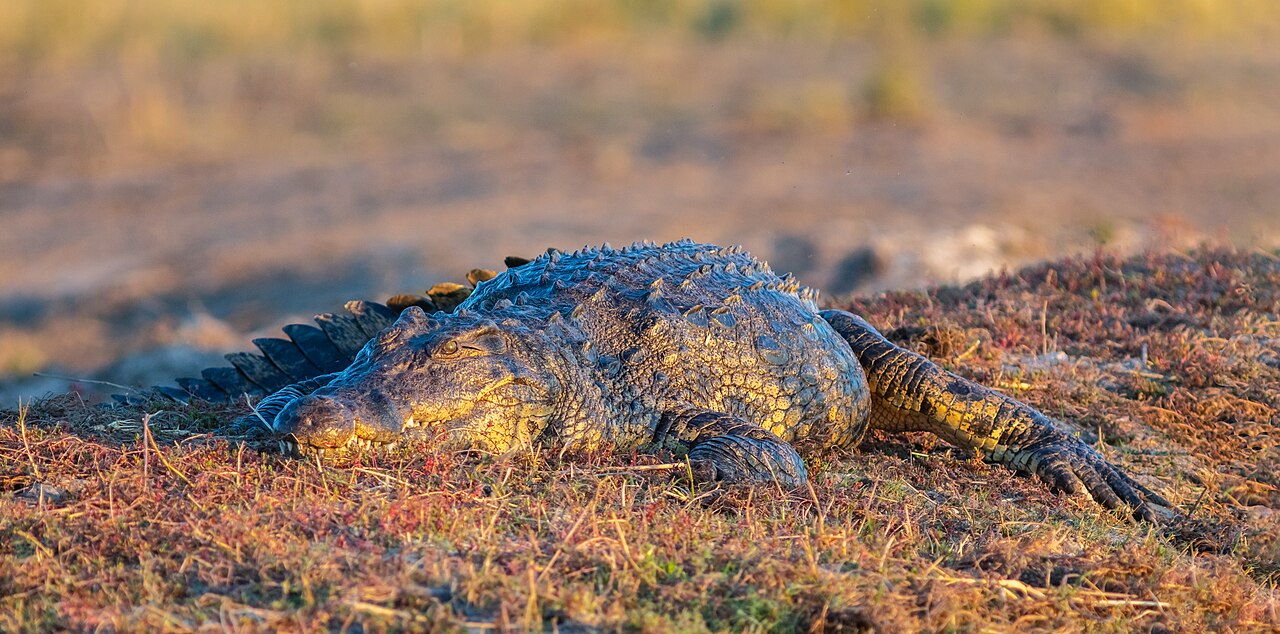
Crocodiles: 1,000 deaths per year
The Nile crocodile and the saltwater crocodile (Australia, Southeast Asia) account for nearly all cases. Unlike sharks, crocodiles consider humans a perfectly acceptable prey. For the difference with alligators, see our article on the 50 animal species worth knowing.
Hippopotamus: 500 deaths per year in Africa
Their calm reputation is misleading. Massive (1.5 to 3 tons), territorial, able to run at 30 km/h over short distances. More deaths than lions, elephants and buffaloes combined. Particularly dangerous when separating a human from water, their escape zone.
Elephants: 500 deaths per year
Mostly in India and Africa, in zones of conflict between expanding human populations and shrinking habitats. Elephants in musth (a period of intense hormones in males) are especially unpredictable.
Tapeworms and other parasites: 700 to 2,500 deaths per year
Tapeworms, roundworms, hookworms. They affect 1.5 billion people worldwide, mostly in countries with limited access to clean water. The majority of cases are chronic rather than fatal.
Fire ants, wasps, bees: 80 to 200 deaths per year
In the US alone, around 100 annual deaths from anaphylactic shock linked to hymenoptera stings. The fire ant, native to South America, has colonized all of the southern US.
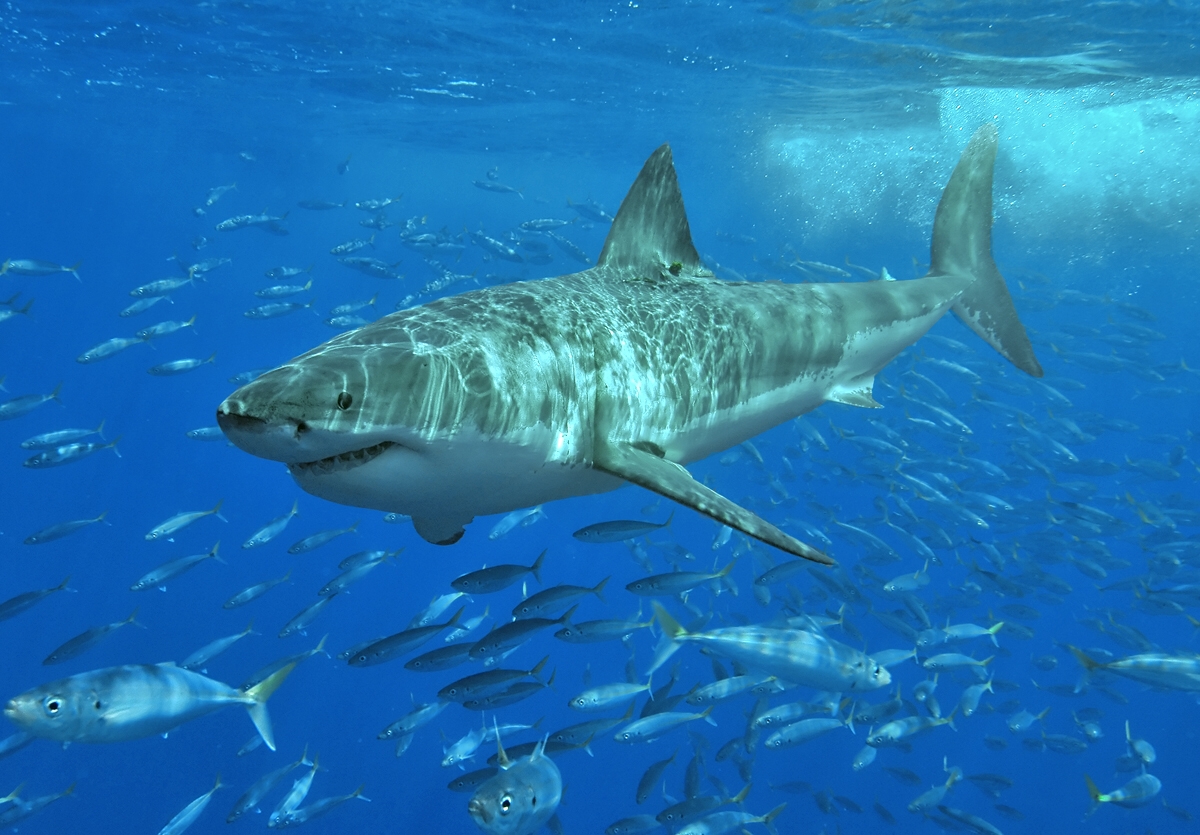
Sharks: 5 to 10 deaths per year worldwide
Yes, you read that right. Out of 8 billion humans, about ten die each year from a shark attack. Great white, tiger and bull sharks account for nearly all of them. For comparison, cows kill more people than sharks each year (about 20 deaths/year in the US alone).
Wolves: fewer than 5 deaths per year
Almost no fatal attacks in Europe or North America for decades. Fear of wolves is wildly disproportionate to their actual danger.
Bears: 5 to 10 deaths per year
Brown bears, grizzlies, polar bears and black bears combined. The polar bear remains the only predator that actively hunts humans, but few humans live in its habitat.
Box jellyfish: 50 to 100 deaths per year
The most venomous marine animal. Found off Australian and Asian coasts. The venom paralyzes the heart muscles within minutes. A single jellyfish contains enough toxin to kill 60 adults.
What this ranking teaches us
The danger of an animal depends far more on its population and proximity to humans than on its ferocity. A mosquito kills more in an hour than a lion in a decade.
The gap between perceived and actual danger is huge. Media amplifies rare and spectacular attacks. Silent diseases that kill by the million remain invisible.
The gap between world regions is massive. Malaria, snake bites and Chagas disease kill almost exclusively in poorer countries. It is less a problem of “dangerous nature” than of poverty and access to care.
Worth reading: endangered species, which flips the perspective. SAPIRO offers quizzes on 600 species, dangerous and harmless alike, with an explanation behind each answer.