
Ask which monument draws the biggest crowds on the planet and most people will say the Eiffel Tower. A reasonable guess, but wrong. The real attendance champions are elsewhere, and they are often free to enter. Here is a ranking of the monuments that pull the most visitors each year, with the numbers as best we can estimate them and the traps hiding behind those figures.
The ranking of the most visited monuments
The orders of magnitude below come from annual estimates gathered before and after the worldwide closures of 2020-2021. They give a reliable hierarchy, not a count down to the last visitor.
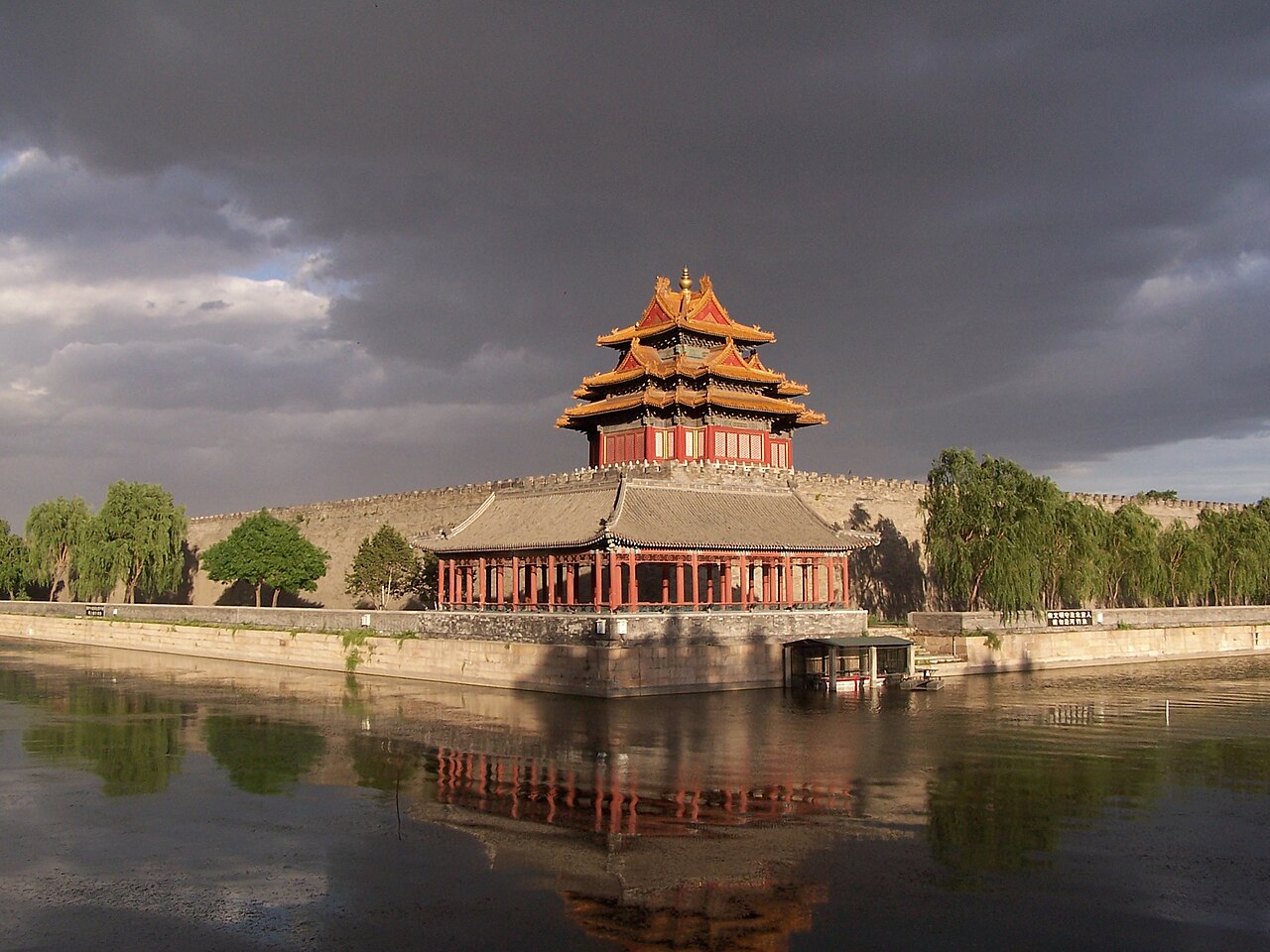
- Forbidden City, Beijing – roughly 17 to 19 million visitors. China’s former imperial palace leads by a wide margin. Entries are now capped at 80,000 a day, without which the number would balloon.
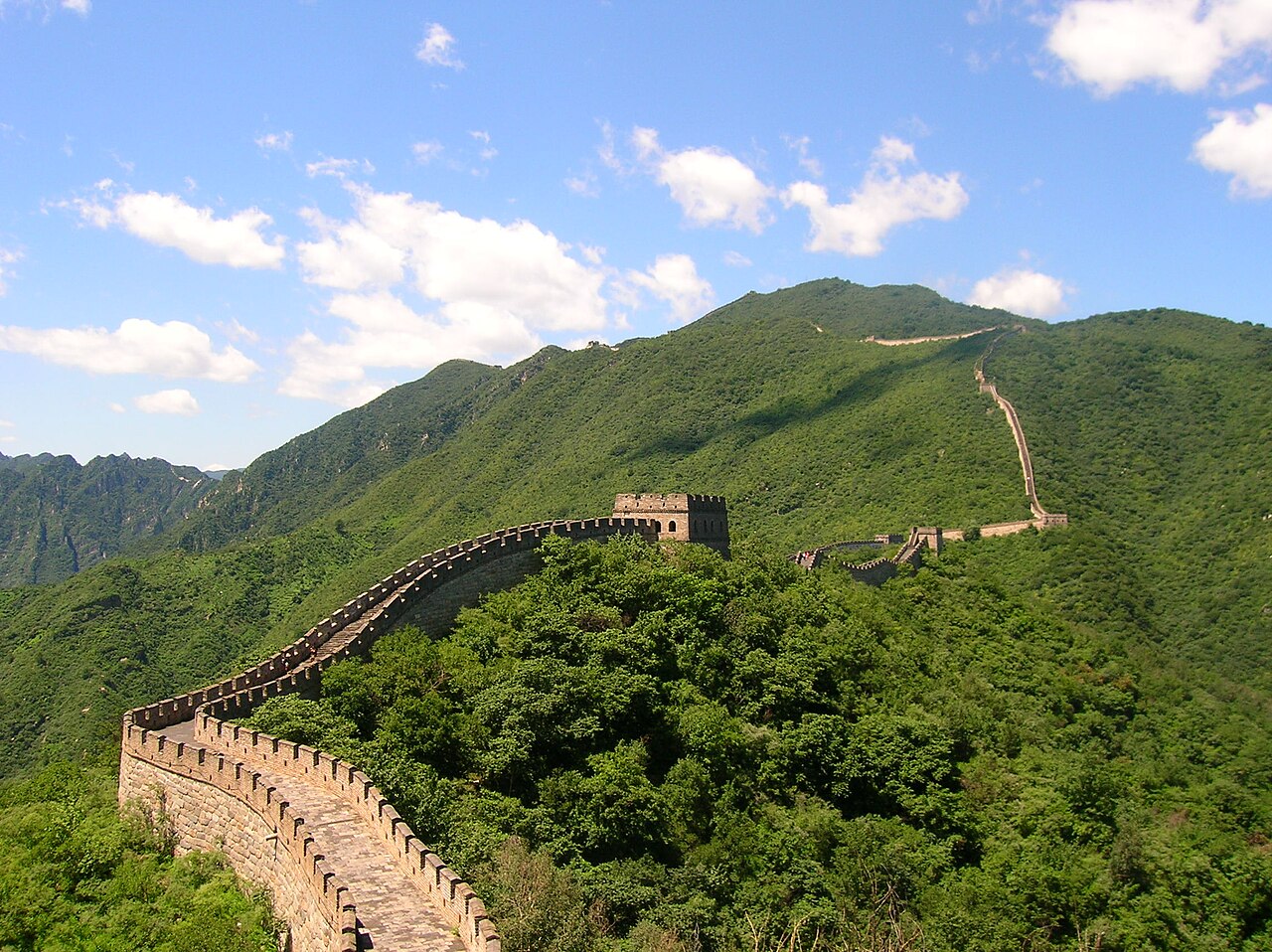
- Great Wall of China – around 10 million, concentrated on the sections near Beijing such as Badaling. The monument runs for thousands of kilometres, but most visits happen on a handful of restored stretches.
- Lincoln Memorial, Washington – close to 7 to 8 million. Entry is free, the site stays open around the clock, and it sits on nearly every tour of the U.S. capital.
- Taj Mahal, Agra – between 6 and 8 million depending on the year. The white marble mausoleum remains India’s defining icon, despite restrictions meant to protect it.
- Notre-Dame de Paris – before the 2019 fire, the cathedral welcomed about 12 million visitors a year, making it one of Europe’s busiest monuments. Its reopening in late 2024 put it back in contention, with crowds returning in force.
- Colosseum, Rome – roughly 7 to 12 million depending on the source, one of the most visited paid sites in the world. The ancient amphitheatre is never quiet.
- Eiffel Tower, Paris – close to 6.2 million paying visitors. This is the most visited paid monument on the planet. The figure counts only those who go up; add the strollers on the Champ-de-Mars and the scale changes entirely.
- Sacré-Cœur, Paris – around 10 to 11 million. Like many religious buildings, entry is free, which explains numbers far above those of the nearby Eiffel Tower.
- Statue of Liberty, New York – about 4 to 4.5 million. The ferry crossing and island access naturally cap the flow.
- Palace of Versailles – close to 8 million, counting the château and its grounds. The line between monument and park makes the figure hard to isolate.
- Big Ben and the Palace of Westminster, London – several million pass by, but most stay outside, since the interior is rarely accessible.
- Alhambra, Granada – about 2.7 million, a cap set deliberately to protect the Nasrid palace, a UNESCO World Heritage site.
Paid or free: why the numbers don’t compare
The first instinct is to line these figures up in a table. That’s a mistake. A paid monument knows its attendance to the ticket: every entry is a transaction. A free site can only estimate, using sensors, spot counts or averages.
The result: an open, free place like the Lincoln Memorial or Sacré-Cœur posts huge numbers almost by default, sometimes padded by passersby. The Eiffel Tower, by contrast, looks modest at 6.2 million, even though it remains the number-one paid monument.
There’s another bias: the perimeter. Are we counting the building alone, or the whole estate around it? Versailles adds château and gardens together. The Great Wall lumps in sections hundreds of kilometres apart. Depending on the definition, the same monument can gain or lose several million visitors.
Hence a simple rule: these rankings show a hierarchy, not accounting precision. Sources vary (tourism boards, site managers, government bodies) and so do the methods. Treat the numbers as orders of magnitude, never as exact data.
By continent: where the crowds gather
Asia dominates the top of the table. China alone places two monuments in the top three, carried by an enormous domestic tourism market. The Taj Mahal completes the Asian lead. This concentration owes as much to sheer population as to how recently these markets opened up to mass travel.
Europe fields the largest number of monuments in the ranking: Paris, Rome, London, Granada, Versailles. The density of historic sites and the ease of moving between capitals keep the flow steady. Notre-Dame illustrates the other big factor of the moment: reopenings. A monument that closes and is restored can recover, or even exceed, its earlier attendance.
North America leans on free, symbolic sites, from the Lincoln Memorial to the Statue of Liberty, woven into well-oiled tourist circuits.
The defining trend of recent years is no longer growth but regulation. Forbidden City, Taj Mahal, Alhambra: the busiest sites now cap their entries to protect the heritage. The challenge has changed shape. Once the job was to attract visitors; today it’s to contain them.
Want to test how much of this stuck? SAPIRO’s general-knowledge quizzes turn these numbers and places into quick rounds, perfect for checking whether you could locate the Forbidden City or date the Colosseum.
To go further, browse our full guide to monuments, our pick of the 30 famous monuments of the world, our guide to the monuments of Paris and our overview of UNESCO World Heritage sites.
Frequently asked questions
What is the most visited monument in the world?
Beijing’s Forbidden City tops the list with roughly 17 to 19 million visitors a year. It now caps entries at 80,000 per day to manage crowds, otherwise the figure would be even higher.
What is the most visited paid monument in the world?
The Eiffel Tower, with close to 6.2 million paying visitors a year. Many of the monuments above it in the ranking are free or part of a larger site, which inflates their reported attendance.
Why do visitor numbers vary so much?
Because counting methods differ. A paid monument counts tickets, a free site estimates footfall, and some places tally everyone passing through a whole district. Comparing two raw figures often means comparing two different things.
How many visitors does the Eiffel Tower get each year?
About 6.2 million paying visitors go up the Eiffel Tower each year. If you also counted the millions who simply walk beneath it on the Champ-de-Mars, the total would be far larger.