The Federation Cynologique Internationale recognizes 360 dog breeds. Nobody knows them all, but around thirty cover 90% of what you meet day to day. Here is a guide to tell them apart, organized by family, with the traits that really settle the question when two breeds look similar.
Herding dogs: the most confused
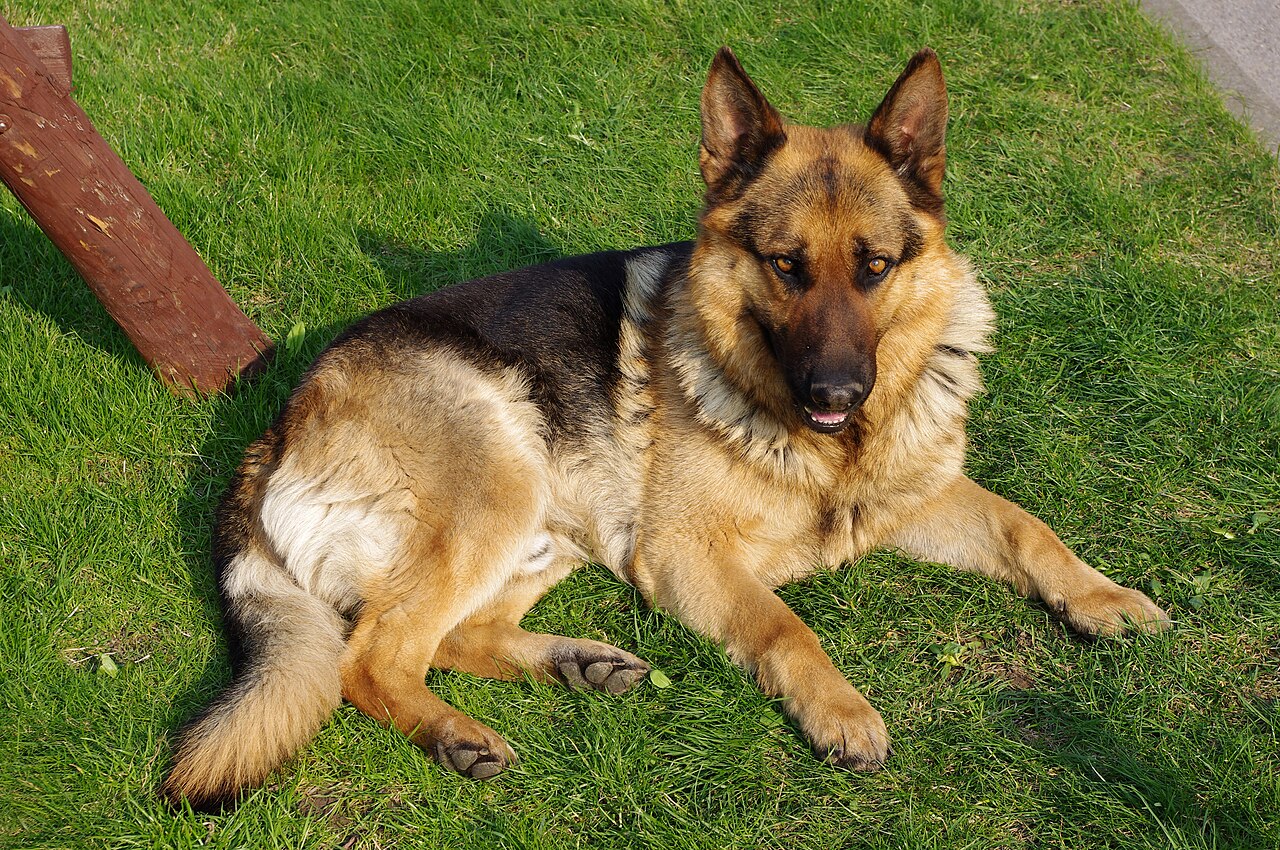
German shepherd. Sloping back from withers to croup. Mostly tan with a black mask. 30 to 40 kilos.
Belgian Malinois. Lighter and more athletic than the German shepherd, straight back. Charcoal-tan coat. Clean black mask. The preferred breed for modern police and military units.
Border collie. Medium size, long tail, mostly black and white coat. Intense gaze. Considered the most intelligent dog in the world by most cognitive studies.
Australian shepherd. Multicolor coat (blue merle, red merle, tricolor), often heterochromatic eyes (one blue, one brown). Some individuals have naturally short tails. Do not confuse with the Shetland sheepdog, which is much smaller (25 to 30 cm versus 50 to 60).
Pyrenean shepherd. Small (40 to 50 cm), long tan coat. The smallest European herding dog.
Nordic dogs: three breeds often confused
Siberian husky. 20 to 27 kilos, often blue eyes, sometimes heterochromatic. Very marked facial mask. Talkative but not a big barker, more of a howler.
Alaskan malamute. Larger and more massive than the husky (30 to 40 kilos). Eyes always brown, never blue. That is the simplest difference. Wider head, shorter muzzle.
Samoyed. Immaculate white coat, characteristic smile with upturned corners. Smaller than the malamute.
Mastiff types: size and power
Dogue de Bordeaux. Huge wrinkled head, uniform tan coat. The dog from “Turner and Hooch.”
English mastiff. The largest dog in the world, over 100 kilos for the biggest males. Black mask, fawn or brindle coat.
Saint Bernard. White and red coat, massive size (60 to 90 kilos), famous for mountain rescue.
Newfoundland. Long black coat, similar size to Saint Bernard, exceptional swimmer thanks to webbed paws.
Cane corso. Italian mastiff, black or gray coat, more athletic and tonic than English mastiffs.
Retrievers and water dogs
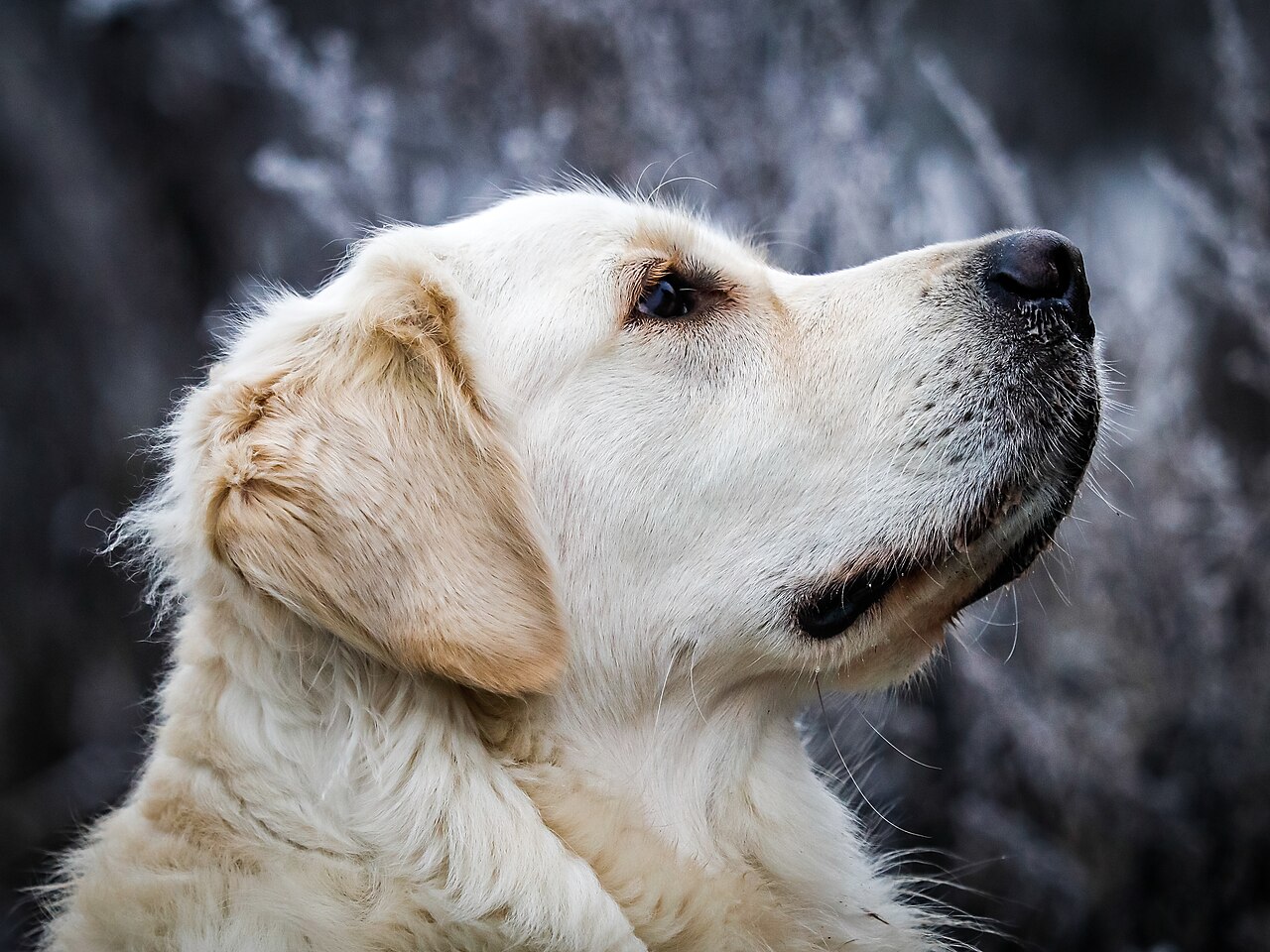
Golden retriever. Cream to dark gold coat. Long silky hair. Very gentle temperament, the reference family dog.
Labrador. Black, chocolate or yellow coat. Short hair. More athletic than the golden, often more dynamic.
Bernese mountain dog. Tricolor coat black, white, rust, with a white cross on the chest. Big dog size (40 to 50 kilos). Easy to confuse with the Australian shepherd tricolor, but much larger.
Terriers: the most diverse family
Yorkshire terrier. Very small (3 kilos), long steel blue and tan coat. Often confused with the rarer silky Australian terrier.
Jack Russell terrier. 25 to 30 cm, white coat with brown or black patches. Endless energy.
Bull terrier. Very characteristic egg-shaped head. White or brindle coat. The dog from Target ads in the US.
Staffordshire bull terrier (staffie). Not to be confused with the American Staffordshire terrier (Amstaff), which is noticeably bigger.
Hunting dogs
Beagle. Tricolor coat, drooping ears, medium size (35 cm). That is Snoopy.
Basset hound. Very low on legs, extremely long ears, tricolor coat. Inspired Snoopy too.
Cocker spaniel (English or American). Wavy long coat, drooping ears. The American is smaller with a shorter muzzle.
Irish setter. Solid mahogany coat and long hair. Very elegant.
Springer spaniel. White and brown or white and black coat. More athletic than the cocker.
Show and companion dogs
Poodle. Characteristic curly coat. Comes in four sizes: toy, miniature, medium, standard. Very intelligent, ranked second smartest dog in the world.
Chihuahua. The smallest dog in the world, 1.5 to 3 kilos. Smooth or long coat.
French bulldog. Small size, bat ears, short muzzle. Huge popularity boom since 2010.
English bulldog. More massive than the French, drooping ears, very marked face wrinkle.
Pug. Very small, flat muzzle, curly tail, fawn coat with black mask.
How to remember all this
Three tricks that really work.
Start with the extremes. The biggest (mastiff), the smallest (chihuahua), the hairiest (Newfoundland), the fastest (greyhound). These anchor points make orientation easier.
Play the classic confusions. Husky vs malamute (eyes and size), German shepherd vs Malinois (silhouette), labrador vs golden (coat), staffie vs Amstaff (size). Working in pairs strengthens memory.
Geography of origin helps. Nordic dogs are robust with thick undercoats. Mediterranean dogs are lighter. Terriers come from the British Isles. Pinschers and schnauzers from Germany. The map tells the story of each breed.
Worth reading: 50 animal species worth knowing and differences between animals that look alike. SAPIRO offers nature quizzes covering 600 species, with an explanation behind every question.