Art history intimidates. Wrongly. A few hours are enough to find your bearings across 5,000 years of human creation. Here is a guide that covers the essentials without the jargon, for someone starting from zero.
The method: chronology first
Art history is above all a sequence of eras reacting to each other. Understanding that sequence is worth more than knowing a thousand works at random. Here is the minimum timeline.
Prehistory (40,000 BC): Lascaux, cave paintings. Art as magic or ritual.
Ancient Egypt (3000-30 BC): pyramids, tombs, hieratic statues. Religious and funerary art.
Ancient Greece (700-30 BC): search for the human ideal. Sculptures (Discobolus, Venus de Milo), architecture (Parthenon).
Ancient Rome (500 BC - 476 AD): builds on Greece with a utilitarian and imperial touch. Realistic portraits, mosaics.
Middle Ages (5th-15th century): religious art dominated by Church commissions. Romanesque then Gothic. Cathedrals, illuminated manuscripts, stained glass. No perspective.
Renaissance (14th-16th): rediscovery of Antiquity, perspective, anatomy. Florence, Rome. Leonardo da Vinci, Michelangelo.
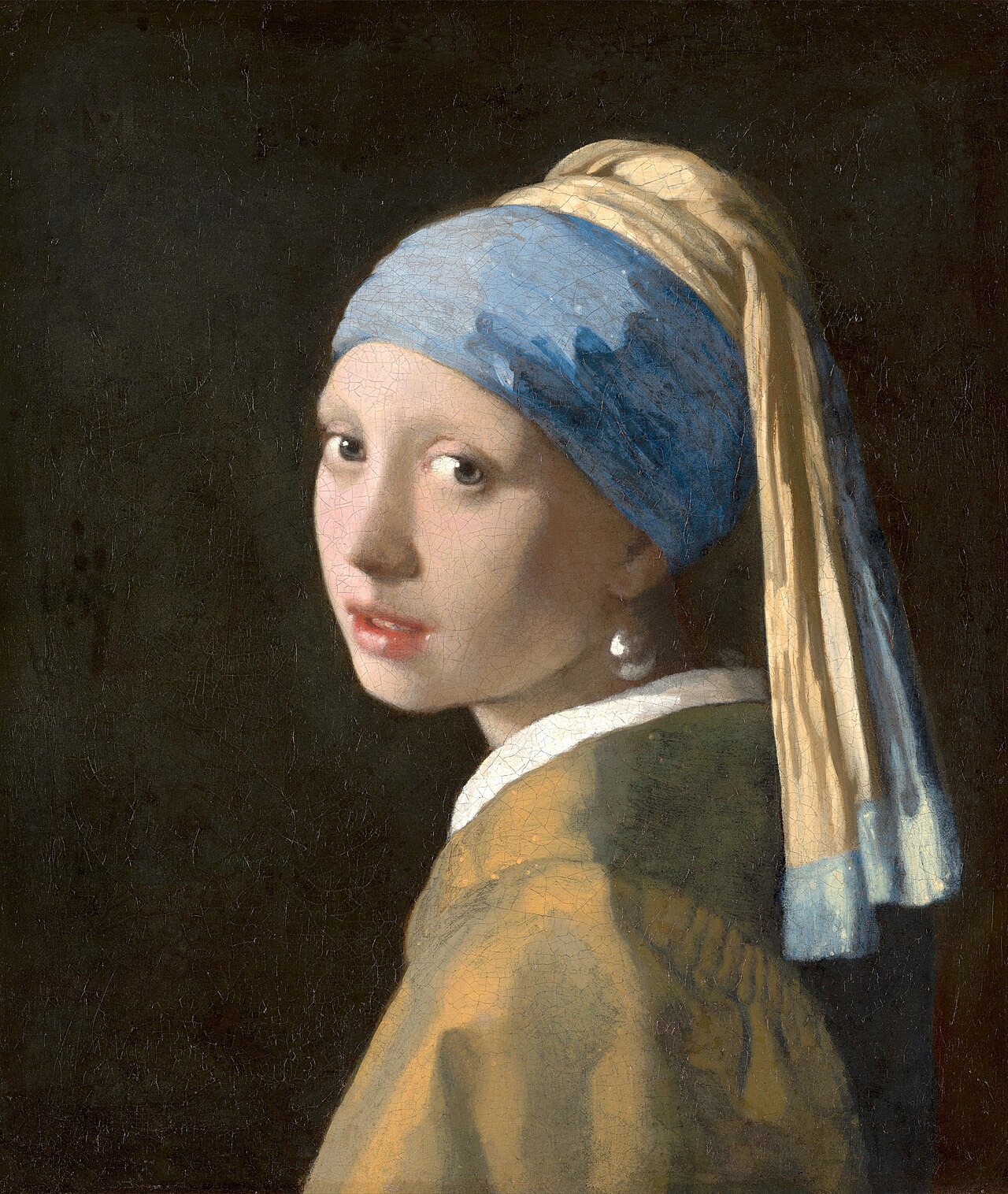
Baroque (17th): drama, movement, contrasts. Caravaggio, Rembrandt, Vermeer, Bernini.
18th century: Rococo (frivolous) then Neoclassical (sober).
19th century: Romanticism (Delacroix), Realism (Courbet), Impressionism (Monet).
20th century: explosion of movements. Cubism, Surrealism, Abstract Expressionism, Pop Art.
Today: contemporary art, multimedia, performance, street art.
See our full guide to art movements to dig in.
The 20 minimum works to know
If you only have time for 20 works, here is which.
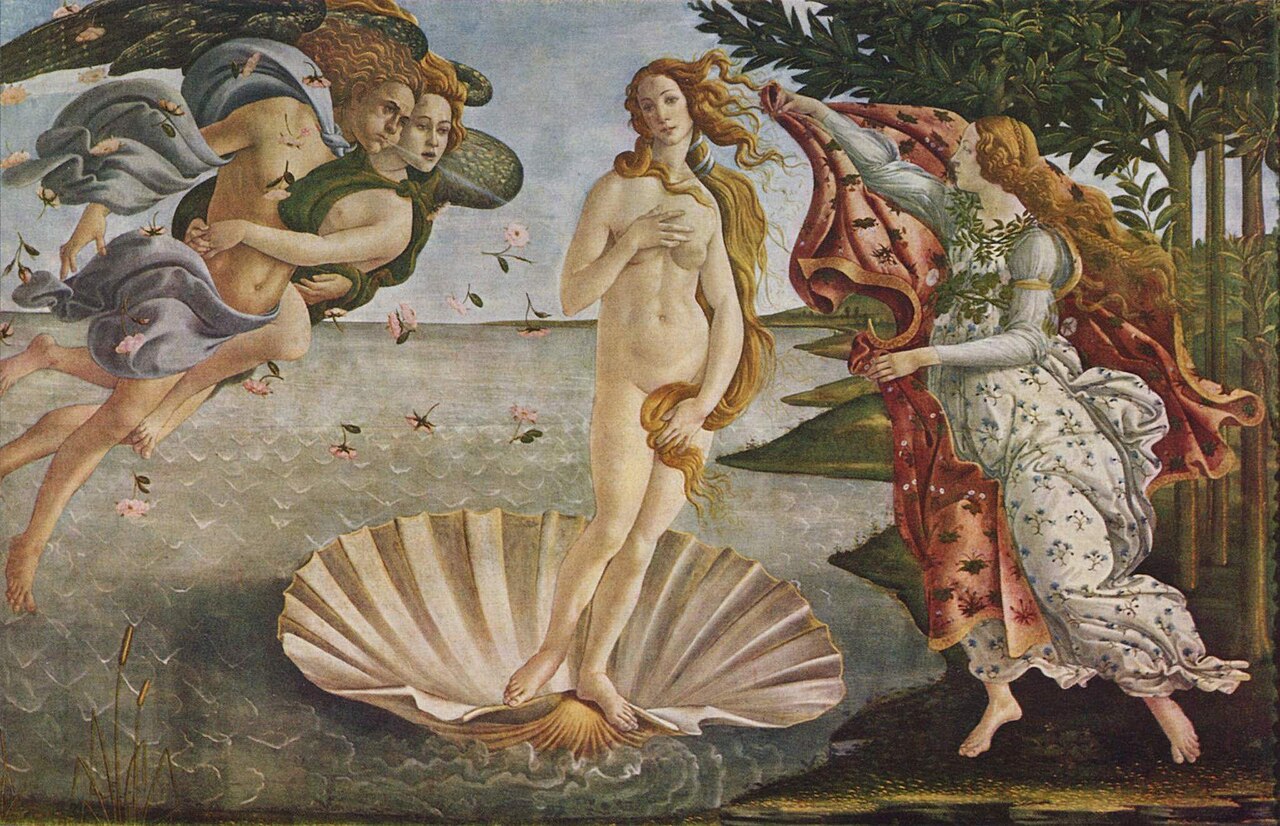
Lascaux. Pyramids of Giza. Parthenon. Venus de Milo. Pompeii mosaic. A medieval manuscript (Tres Riches Heures du Duc de Berry). Mona Lisa. Sistine Chapel ceiling. Birth of Venus. The Night Watch. Las Meninas. Raft of the Medusa. Impression, Sunrise. The Starry Night. Les Demoiselles d’Avignon. Guernica. The Persistence of Memory. Number 1A (Pollock). Marilyn (Warhol). Girl with Balloon (Banksy).
See our detailed list of 30 famous paintings to know.
The 10 essential artists
If you had to remember only 10 names.
Leonardo da Vinci, Michelangelo, Raphael (Renaissance). Caravaggio, Rembrandt, Vermeer (Baroque). Monet, Van Gogh (Impressionism and Post). Picasso (20th century). Warhol (Pop Art).
It is a crude simplification but it gives anchor points.
How to look at a painting
Four questions structure reading a work.
When? Which era, which movement. The date frames everything else.
What? What subject. Religious, mythological, portrait, landscape, daily scene, abstract. The subject says a lot.
How? Composition, colors, light, brushwork. Technique gives away the painter and era.
Why? Commission, political message, personal expression. The context of creation gives meaning.
Practicing these questions on three works per week for three months shifts the eye. You start seeing.
Pitfalls to avoid
Intimidation. Art “is not for you.” False. Anyone curious can get into it. Museums are not reserved for an elite.
Jargon. “Sfumato,” “chiaroscuro,” “Hellenistic.” These words are useful but can wait. Start with the concepts, keep vocabulary for later.
Exhaustiveness. Wanting to know everything blocks you. Better to know 50 works deeply than 500 superficially.
Inverted snobbery. Do not reject classical art in the name of modernity, nor contemporary art in the name of tradition. Everything echoes everything.
How to progress
Three habits work.
Visit regularly. One museum a month, even small, creates a familiar relationship with art. To plan, see our article on the most visited museums in the world.
Read short biographies. Artists have novelistic lives that help remember their works. Van Gogh, Caravaggio, Frida Kahlo: start with them.
Test your knowledge. See a work, guess the artist, check. SAPIRO offers 553 works with their context, ideal for practice.
Worth reading: how to recognize a painter by style.