Recognizing a painter by style is less difficult than it sounds. Every great artist has consistent visual markers: palette, subject, brushwork, format. Once you spot them, you can put a name on almost any work within seconds. Here are the twelve most famous painters with their visual signatures.
Leonardo da Vinci (1452-1519)
Markers. Sfumato (extremely soft tonal transitions), misty landscape backgrounds, ambiguous smiles, few finished works.
To recognize. A misty atmosphere behind a quiet, enigmatic portrait: probably Leonardo. Rare works (fewer than 20 paintings firmly attributed).
Michelangelo (1475-1564)
Markers. Muscular tortured bodies, intense movement, often neutral backgrounds. Primarily a frescoist and sculptor.
To recognize. Oversized anatomy, heroic gestures. Not the painter of soft landscapes.
Raphael (1483-1520)
Markers. Classical harmony, symmetrical compositions, gentle faces, light palette. Madonnas and religious scenes.
To recognize. Perfect symmetry, idealized faces, serene atmosphere.
Vermeer (1632-1675)
Markers. Interior scenes almost exclusively, light coming from a window on the left of the painting, one to two figures, palette dominated by blues and yellows. Photographic precision.
To recognize. Small silent interior scene, soft light from the left, young woman doing a modest task. Vermeer.
Rembrandt (1606-1669)
Markers. Strong shadow-light contrasts (chiaroscuro), intense psychological portraits, many self-portraits, dominant brown tones.
To recognize. Face emerging from darkness, penetrating gaze, warm tonality. Rembrandt.
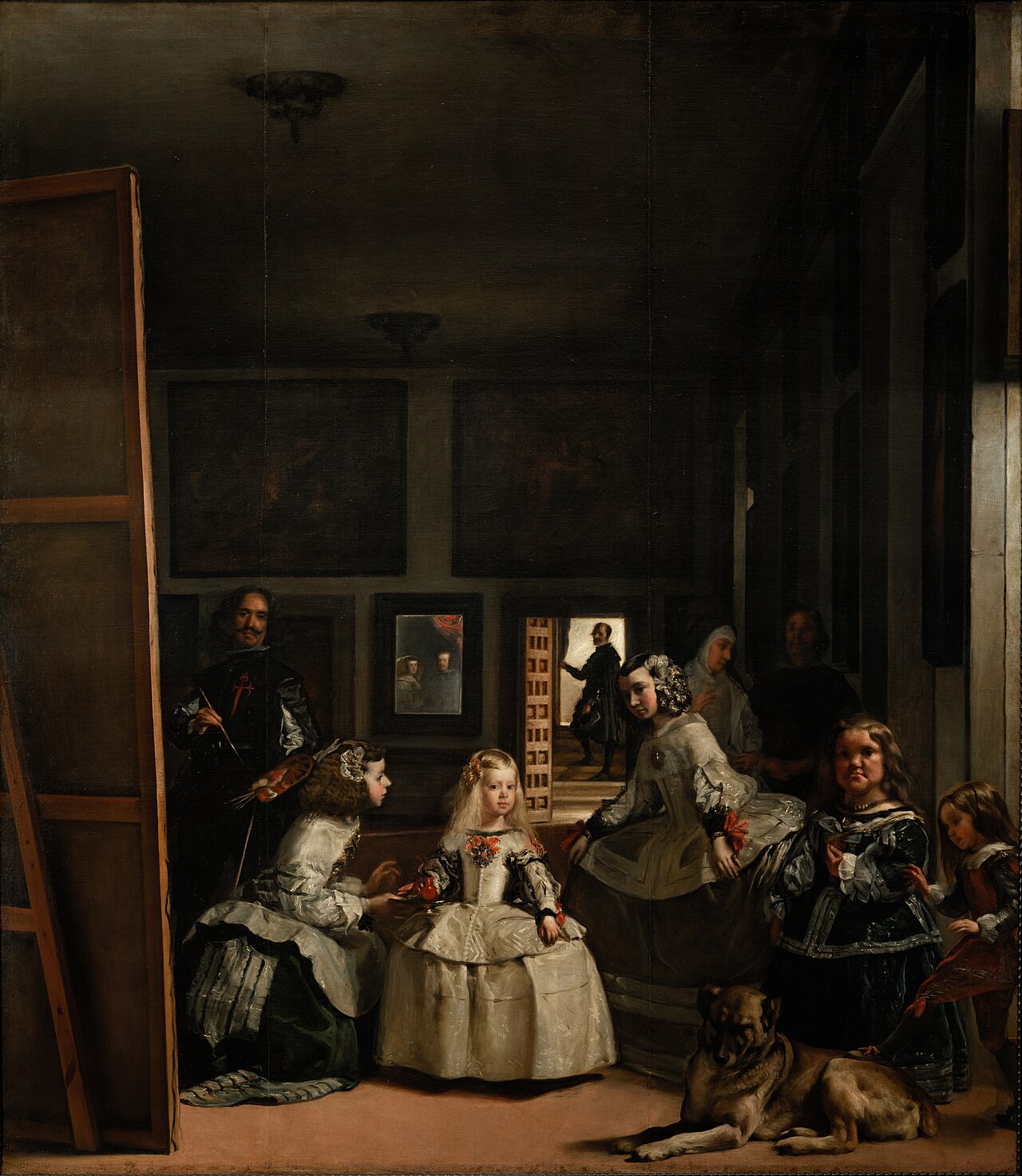
Velazquez (1599-1660)
Markers. Court portraits, sober palette dominated by blacks, grays, ochres. Realism without flattery.
To recognize. Royal or aristocratic figure on a dark background, grave dignity, few bright colors.
Monet (1840-1926)
Markers. Fragmented visible brushwork, outdoor subjects (water lilies, cathedrals, haystacks, train stations), same subject repeated at different hours and seasons, light and luminous palette.
To recognize. Landscape blurry up close, sharp from afar. Lots of blues, purples, juxtaposed touches. Probably Monet.
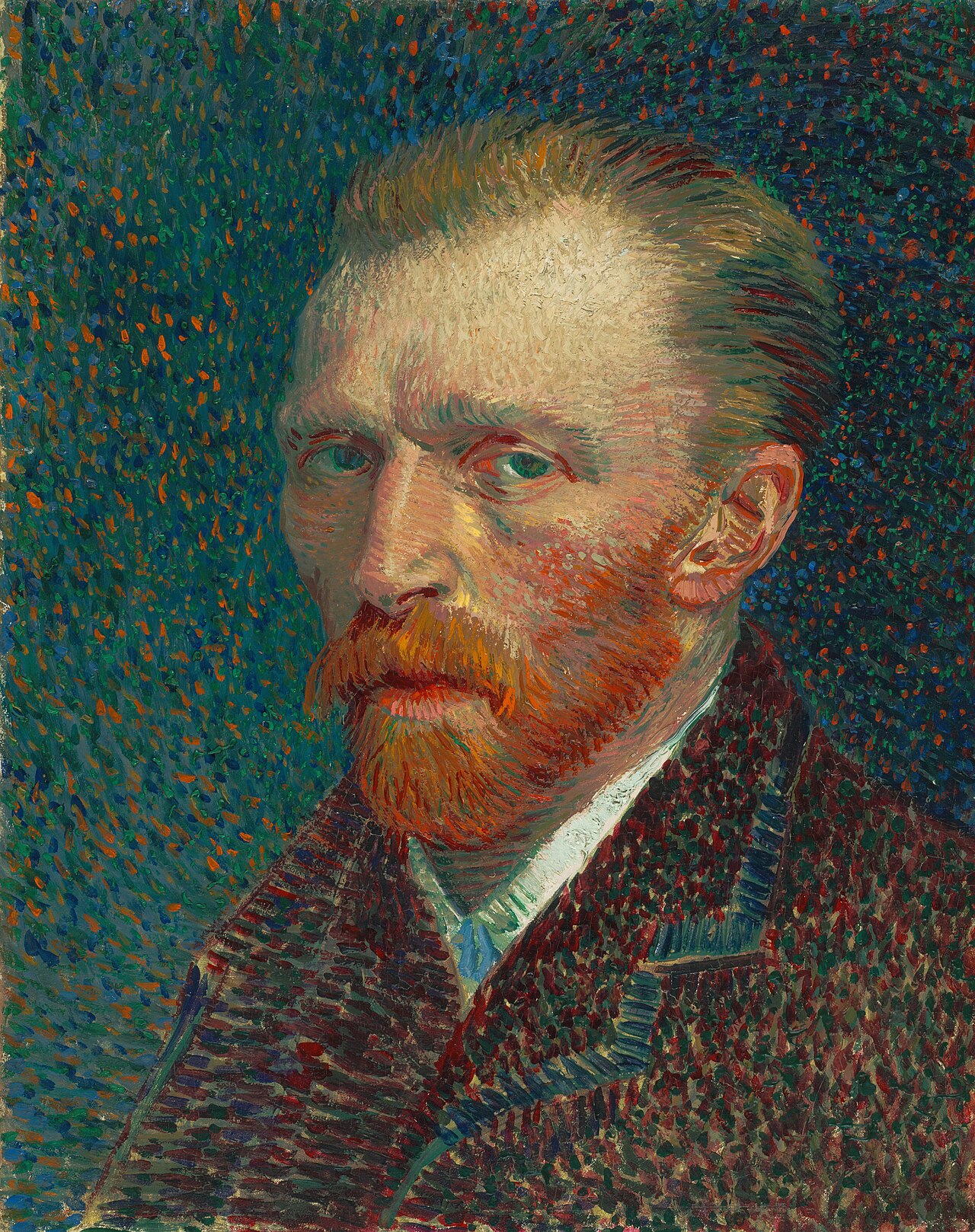
Van Gogh (1853-1890)
Markers. Swirling thick brushwork (impasto), saturated complementary colors (especially yellow-blue), simple themes (fields, stars, sunflowers, self-portraits, bedroom).
To recognize. If the paint seems to move on the canvas and the colors are intense: Van Gogh. No other painter has this physical intensity of matter.
Picasso (1881-1973)
Markers. Several very different periods. Blue period (1901-1904, melancholic blue tones), Rose (1904-1906), African (1907-1909, tribal masks), Cubist (1909-1919, geometric fragmentation), Neoclassical (1920s), Surrealist (1930s).
To recognize. If you see geometric fragmentation with multiple viewpoints in the same image: Cubism, so probably Picasso or Braque (often indistinguishable in 1909-1912). If it is very blue and sad: Picasso’s blue period.
Dali (1904-1989)
Markers. Catalan desert in the background, soft objects (clocks, bodies), dizzying perspectives, dreamlike symbolism. Ultra-precise almost photographic style.
To recognize. Desert landscape with bizarre objects in deep perspective, dreamlike atmosphere. Dali.
Klimt (1862-1918)
Markers. Gold and very dense decorative patterns, female figures, mosaic of geometric motifs, underlying eroticism.
To recognize. Gold, gold, and more gold. Ornamental motifs. Klimt.
Frida Kahlo (1907-1954)
Markers. Frontal self-portraits dominate, the characteristic unibrow, Mexican attributes, intense bodily symbolism, earthy palette with vivid accents.
To recognize. Woman with single eyebrow, frontal gaze, Mexican motifs, sometimes visible anatomical elements. Frida Kahlo.
How to remember all this
Look in thematic groups. Landscape painters (Monet, Turner, Constable). Portrait painters (Rembrandt, Velazquez, Frida). Muralists (Michelangelo, Diego Rivera). Grouping helps structure.
Cross-reference with periods. Renaissance = Leonardo, Michelangelo, Raphael. Baroque = Rembrandt, Vermeer, Velazquez. Impressionism = Monet, Renoir, Degas. See our article on art movements.
Play attribution quizzes. See a painting, guess the author, check. SAPIRO offers 553 works with attribution, which lets you calibrate your eye by repetition. Worth reading: 30 famous paintings to know.