Teaching world countries to a child is patient work that starts early, in small touches, turning natural curiosity into solid knowledge. Here is how to do it by age range.
3 to 5 years: continents
The child can recognize the six continents and a few image-countries. No more.
Continents to introduce. Africa, North America, South America, Europe, Asia, Oceania, Antarctica.
Image countries. France (Eiffel Tower), US (Statue of Liberty), Egypt (pyramids), Italy (boot/pizza), Japan (Mount Fuji/sushi), China (Great Wall), Brazil (Christ Rio), Australia (kangaroo).
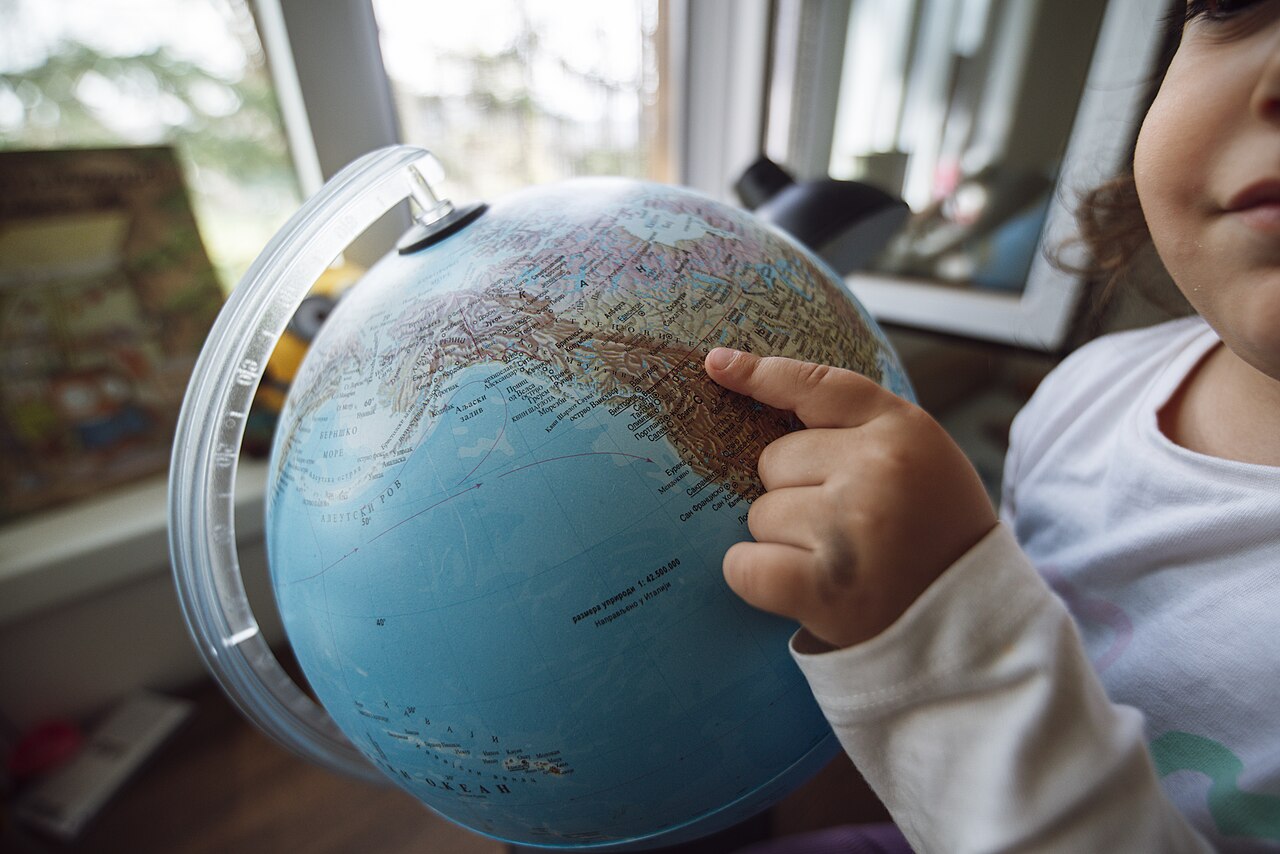
Tools. Child-friendly globe, continent puzzle, picture books, apps with sounds.
6 to 8 years: countries and flags
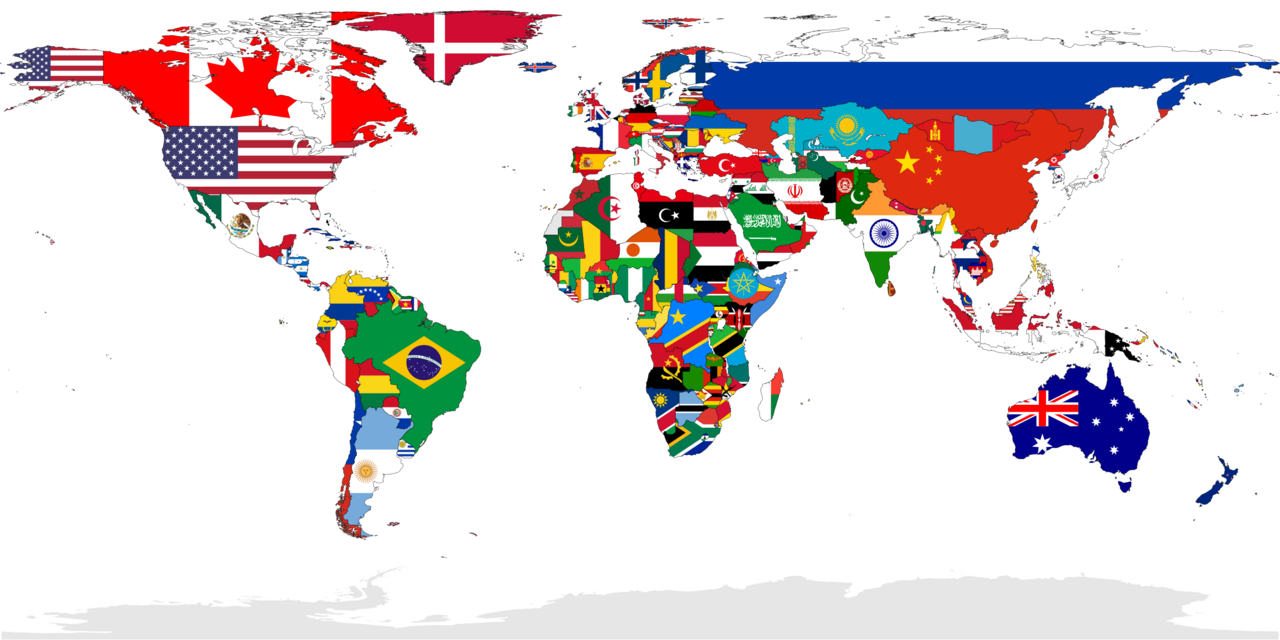
The child can match 20 to 30 countries to their flag, capital, position on a map.
Priority countries. Neighbors of the home country, major powers (US, China, Russia, Japan, India, Brazil), culturally famous countries (Egypt, Greece, Mexico, Australia).
Easy flags. Germany, Italy, Mexico, Argentina, Japan. See our article on flag meanings.
Tools. Flag quizzes, wall world map, illustrated atlas.
9 to 11 years: all of Europe
The child can master all European countries with capitals and flags, plus major countries on other continents.
Key step. Learn the 27 EU countries plus non-EU (Norway, Switzerland, UK, etc.).
Tools. SAPIRO offers continent-specific quizzes with an educational explanation behind each question. Worth reading: geography for kids.
12 and up: every country in the world
At this age, the child can master the 197 recognized countries, with capitals and flags, plus basic geopolitical stakes.
Key step. Identify on a blank map the countries by region.
Beyond. Economic geography, climate, demographics. Cross with current events.
Effective method
Fifteen minutes a day, no more. Consistency beats intensity. Five minutes at breakfast, five in the car, five before bed.
Tie to current events. Ukraine = Russia + Eastern Europe. World Cup = qualified countries. Travel = visited country and neighbors. Context fixes memory.
Quiz as main tool. The science of active learning shows kids retain 50% better through quizzes than passive reading. SAPIRO covers 197 countries with flags and capitals.
Mistakes to avoid
Forcing it. Forced learning kills curiosity. Better less learning but joyful.
Cramming before school. Learning is not the same as memorizing. Understanding where a country is beats reciting a list.
Confusing tricky countries. Slovakia/Slovenia, Austria/Australia. Make the difference clearly from the start.
Worth reading: geography as a family to turn learning into shared moments.