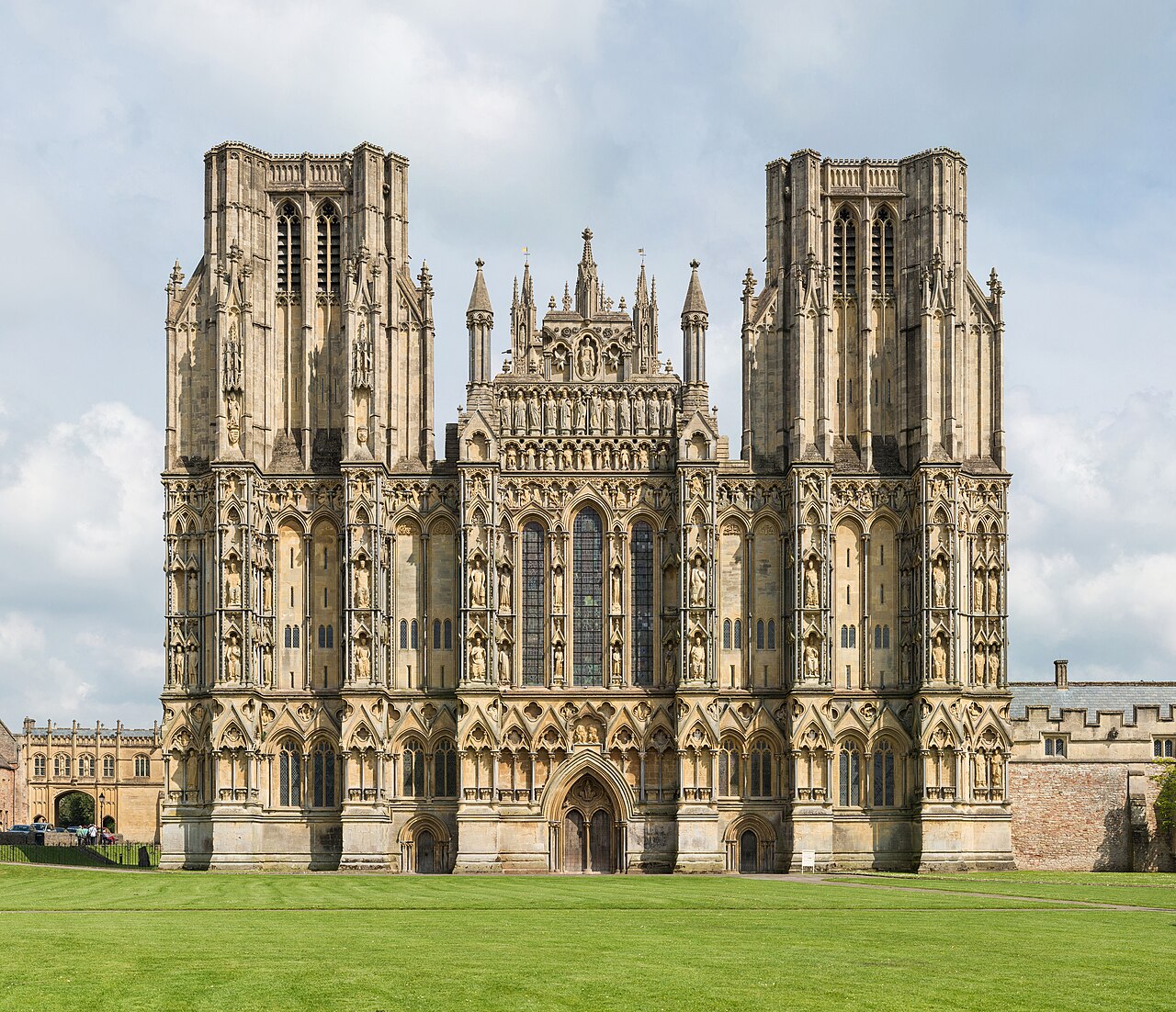
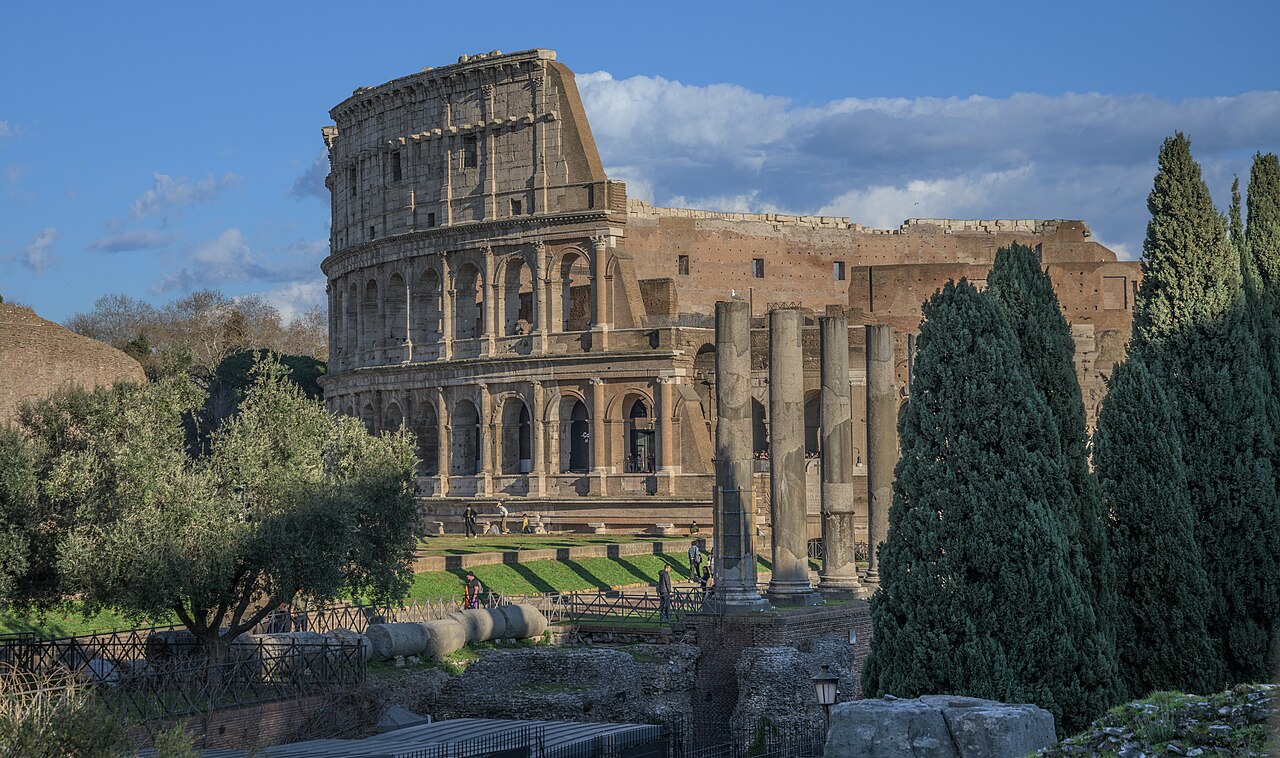
Western history holds together in three major periods before the modern era. Antiquity, Middle Ages, Renaissance. Here are the essential markers so you stop confusing them.
Antiquity (-3000 to 476)
Definition. Stretches from the invention of writing (-3000) to the fall of the Western Roman Empire (476). Three thousand five hundred years.
Major civilizations. Ancient Egypt (-3000 to -30), Mesopotamia (Sumer, Babylon, Assyria), Ancient Greece (-700 to -30), Rome (-509 to 476), as well as China, India, Mesoamerica.
Key inventions. Writing, wheel, agriculture, written laws (Code of Hammurabi), philosophy (Socrates, Plato, Aristotle), democracy (Athens), republic (Rome), empire (Imperial Rome).
Figures. Ramses II, Hammurabi, Pericles, Alexander the Great, Julius Caesar, Augustus, Constantine.
Religions. Polytheisms (Egyptian, Greek, Roman), then Judaism, then Christianity recognized in 313 and state religion in 380.
Middle Ages (476-1492)
Definition. Stretches from the fall of Rome to the discovery of America. A thousand years. Often wrongly described as a “dark” period when it was actually a very rich era.
Three sub-periods. Early Middle Ages (476-1000): invasions, barbarian kingdoms, Charlemagne. High Middle Ages (1000-1300): demographic boom, Gothic cathedrals, crusades. Late Middle Ages (1300-1492): Black Death, Hundred Years’ War, decline.
Civilizations. Byzantine Empire, Muslim world (peak 8th-13th century, Arab sciences), Christian Europe, Mongol world.
Inventions. Printing (1450, Gutenberg), compass, paper (brought from China), gunpowder, eyeglasses, mechanical clocks, Gothic cathedrals (flying buttresses, stained glass).
Figures. Charlemagne, Muhammad, Avicenna, Saint Louis, Joan of Arc, Marco Polo, Genghis Khan.
Society. Feudalism (vassalage, lords, peasants), Christianization, scholasticism, universities (Paris 1150, Bologna 1088).
Renaissance (around 1400-1600)
Definition. Cultural and artistic movement that rediscovers Antiquity. Born in Italy in the 14th-15th century, spreads to all of Europe in the 16th.
Traits. Humanism (man at the center, no longer only God), perspective in painting, realistic anatomy, return to ancient texts, art patronage.
Civilizations. Italy of the city-states (Florence, Venice, Rome, Milan), unified Spain (1492), Portugal and maritime explorations, France under Francis I, wealthy Flanders.
Inventions. Printing widely diffused, mathematical perspective, heliocentric astronomy (Copernicus, Galileo), modern cartography, anatomical medicine (Vesalius).
Figures. Leonardo da Vinci, Michelangelo, Raphael, Botticelli (artists). Erasmus, Montaigne, Machiavelli (thinkers). Christopher Columbus, Vasco da Gama, Magellan (explorers).
Events. Fall of Constantinople (1453, flight of Byzantine scholars to Italy). Gutenberg’s printing press (1450). Discovery of America (1492). Luther’s Protestant Reformation (1517).
How to stop getting lost
Remember the boundary dates. -3000, -509, 476, 1492. These four dates give the framework.
Tie each period to a keyword. Antiquity = writing and empires. Middle Ages = feudalism and religion. Renaissance = humanism and rediscovery.
Cross-reference with art. Art lets you visualize each era. Antiquity = Greek sculpture, Pompeii frescoes. Middle Ages = Gothic cathedrals, illuminations. Renaissance = Leonardo paintings, Florence dome. The monuments of Antiquity also give concrete landmarks to anchor that first period.
See also our world history timeline and our article on art movements to structure. SAPIRO offers world history quizzes with contextualized explanations.